Review
Why We Should/ Should We Remember?
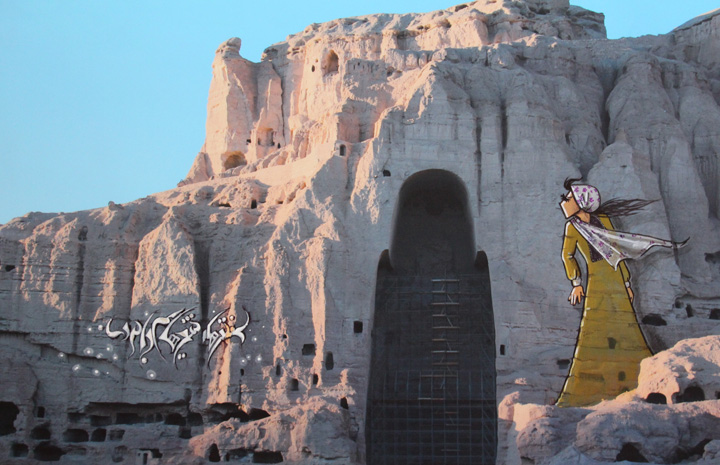
The exhibition is eponymously based on the subject of history, and subsequently attempts to explore the idea of ‘memory’ and the ethics of it.
Read More


The exhibition is eponymously based on the subject of history, and subsequently attempts to explore the idea of ‘memory’ and the ethics of it.
Read More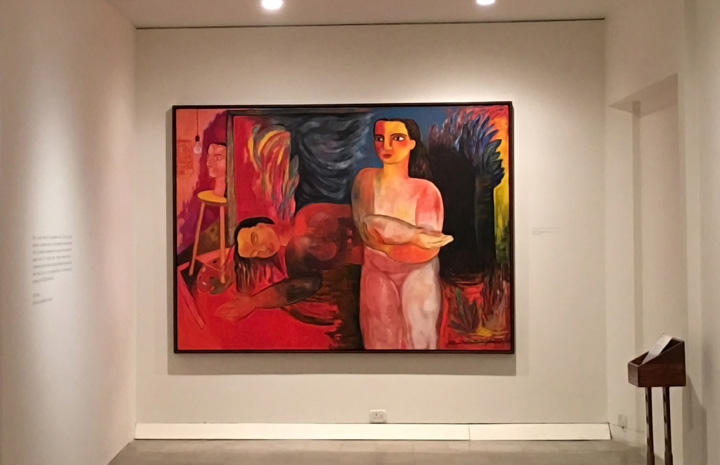
Spending time with Rekha Rodwittiya is always fulfilling; you feel her passion, her involvement, and her determination to get her point across. This depth of emotion is reflected in her show at the Jehangir Nicholson Gallery at the Chhtarapati Shivaji Maharaj Vastu Sangrahalaya in Mumbai.
Read More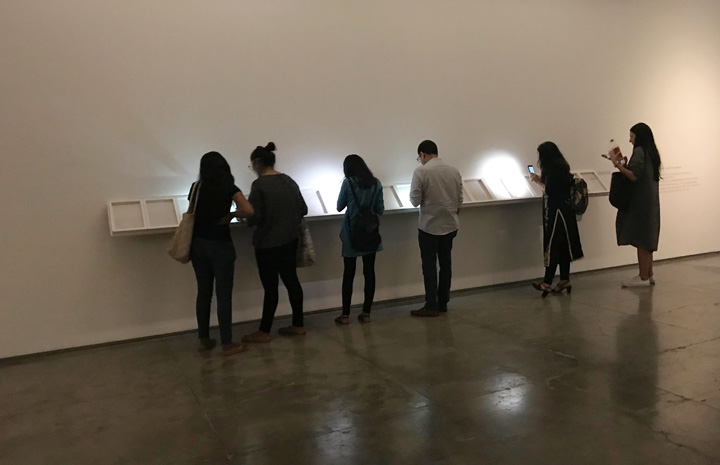
Mithu Sen’s practice often looks for the softest parts of vulnerable industries—language, the gender binary, or sexuality under the capitalist lens—and pulls the rug out from under them.
Read More
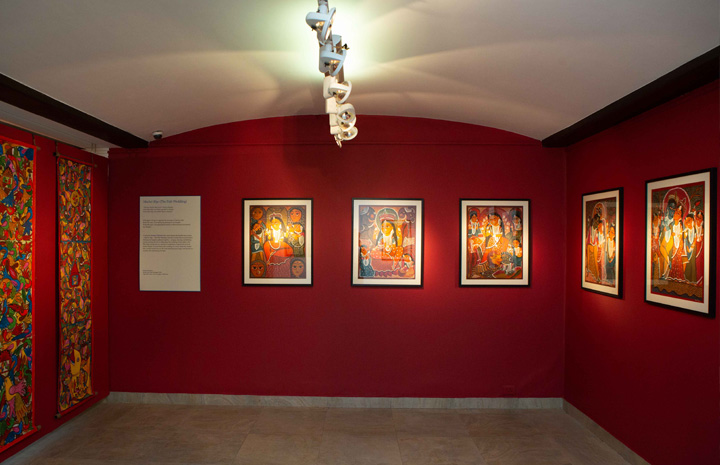
It is futile to look for absolute accuracy since history can be interpreted through multiple perspectives, each as veracious as the next. Each individual and each story weave together lingering moments of tangible and intangible aspects of culture, thereby creating indistinguishable fabrics of history and memory.
Read More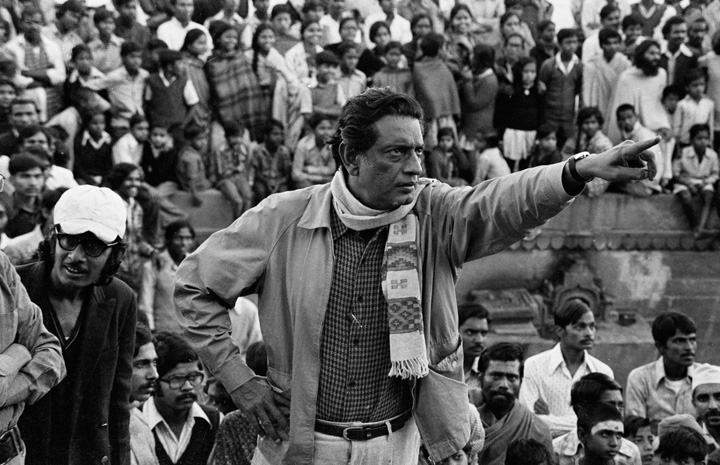
An amateur’s desire of pursuing documentary photography has brought in display a rich archive of what lay beyond the reels in the pioneering filmmaker Satyajit Ray’s films.
Read More
With the prominence given to ideas, thoughts and examinations, the human body, has always been understood on the basis of its anatomy. There has been a limited effort made to understand and reflect upon the body, based on a socio-cultural history.
Read More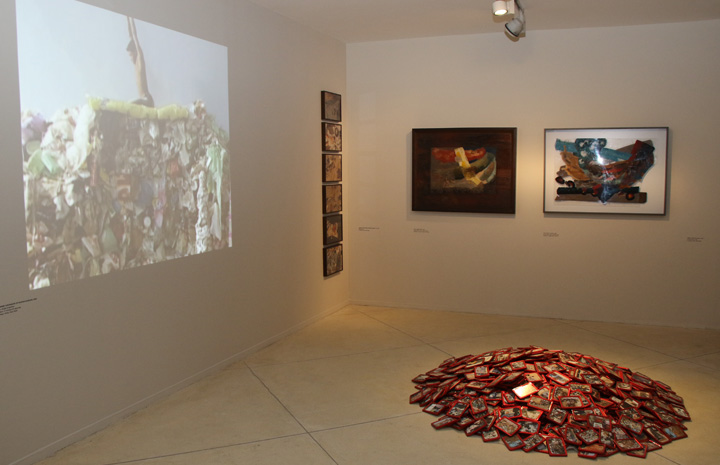
Vivan Sundaram’s retrospective at the Kiran Nadar Museum of Art was a testament to the unique variety of his oeuvre. Curated by Roobina Karode the exhibition contained a dozen stylistic departures and arrivals.
Read More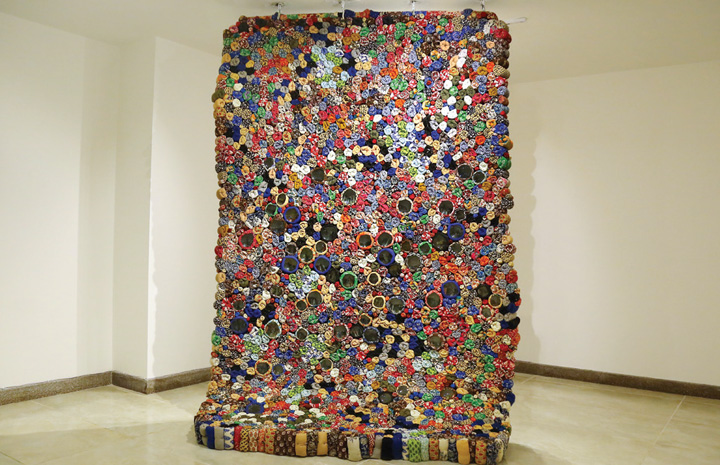
A gateway, a parcourse, and an end yet again: a recurring trope. The aspirations are clear: the dazzle of the city lights blind even the far-flung dwellers. Tunnel after tunnel is traversed in search of the romantic source that allures, that promises, that builds, more, and more, and, snap!
Read More
Martand Singh was a visionary; the perspective which he developed with his mentor Pupul Jayakar to revive the history of Indian textiles and find ways to initiate a positive and sustainable working environment among the weavers and artisans through reemployment, was truly admirable.
Read More