shopping-cart
search
×

Review

Devraj Dakoji – A Force of Nature

Dakoji’s journey of artistic production has been prolific. His training in printmaking under the tutelage of powerful thinkers such as K.G.Subramanyan and Jyoti Bhatt during his stint at M.S. University Baroda in the mid-60s; his post-graduate studies at the Chelsea School of Arts in the mid-70s through a British Council scholarship; and his later presence at the Tamarind Institute, Albuquerque New Mexico U.S.A in the early 90s, all contributed to the immense possibilities he found in the print process. Keen on new experiences, Dakoji found inspiration in travels that took him through England and Europe, as well as across India.

Read More
feature
Review

Looking from an ‘Aesthetic Distance’: Photographing Babasaheb Ambedkar in Vellore

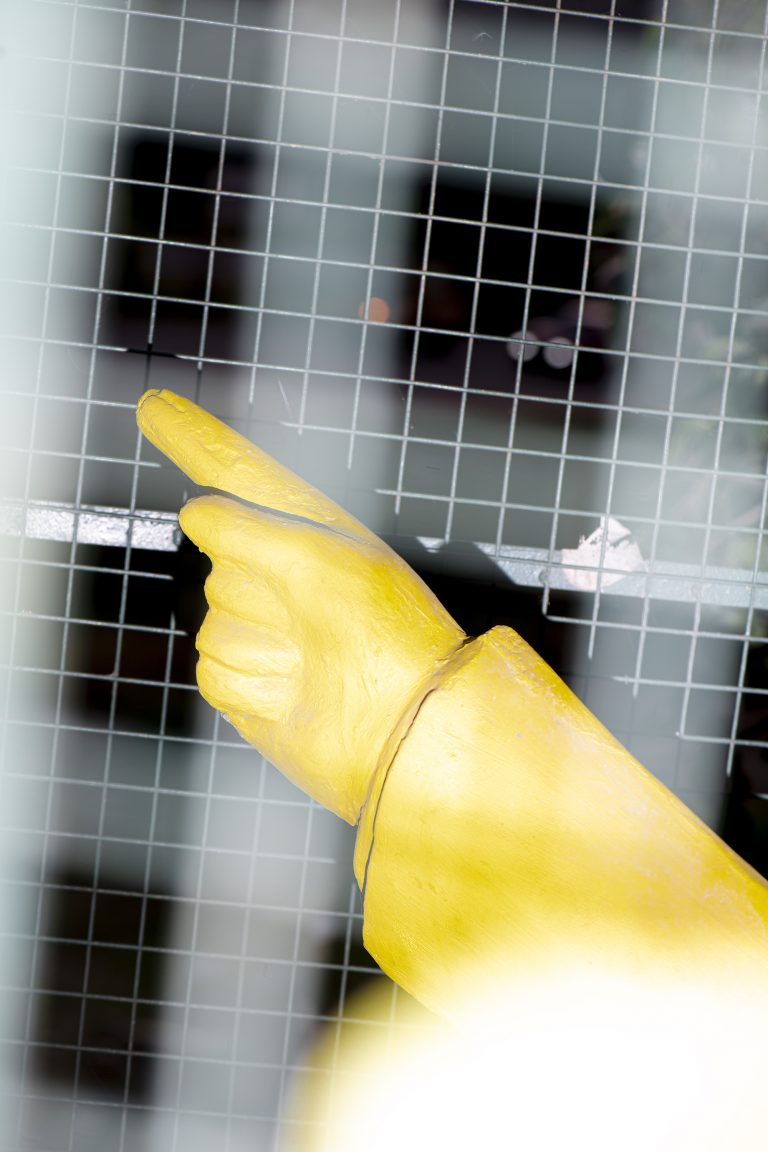
An ambiance of trepidation prevails in most of the Dalit localities of Vellore; thus as an outsider, these statues appear appealing only if seen from an ‘aesthetic distance’, and Marcelo abided by it. Being a foreigner in India, his social identity was not perceived as a threat to the community and he operated from a rather safer zone. His photographs read these sculptures in many layers, forcing the viewers to engage with critical contexts. They often evoke a sense of ambivalence between the ideas of sacred and profane, haptic and the optic. The cage act like a barrier between the viewer and the viewed.

Read More
feature
Interview

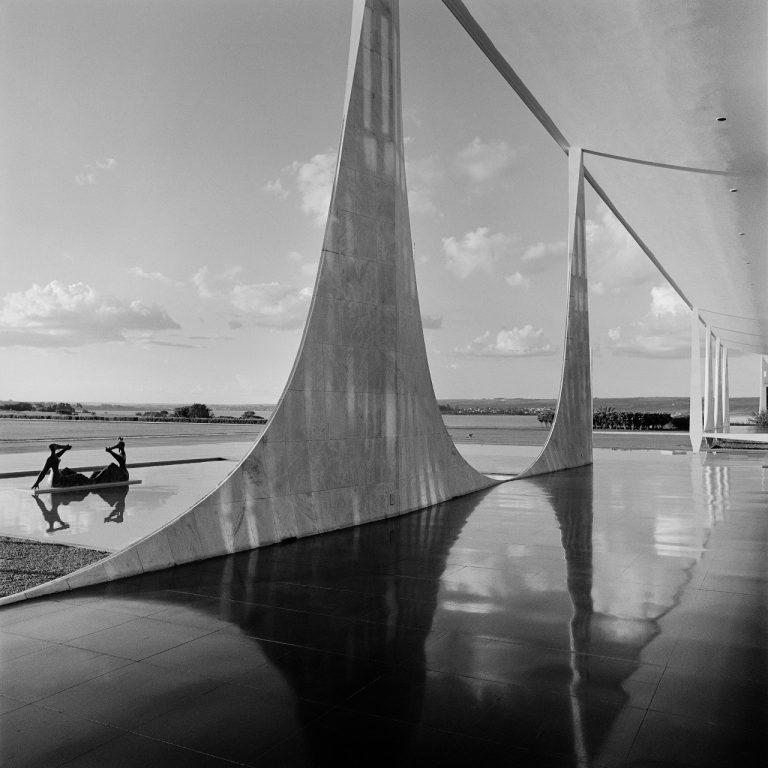
200 Years and Counting: Brasilia, Art and Architecture: Manan Shah in conversation with Leticia Marranghello

The museums traditionally have been the representatives of history and human civilisation. Over the course of time, they have evolved to have a multi-disciplinary nature in terms of having an audience-friendly milieu by including a variety of programs and outreach activities. In the said manner, Bihar Museum in Patna has been working towards creating an environment which attracts visitors, providing information with an interactive experience. Bihar Museum, moving beyond the place of traditional knowledge systems, has forged to become a space for cultural exchange, inviting national and international artists, speakers and exhibitions to Patna.

Read More
feature
Review

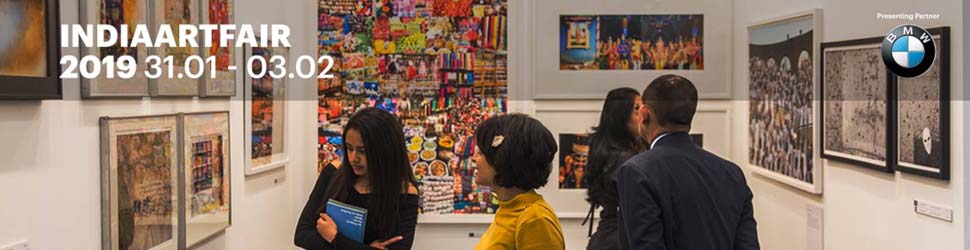
Unmaking Mithu Sen: Of interventions, the now, and the museum

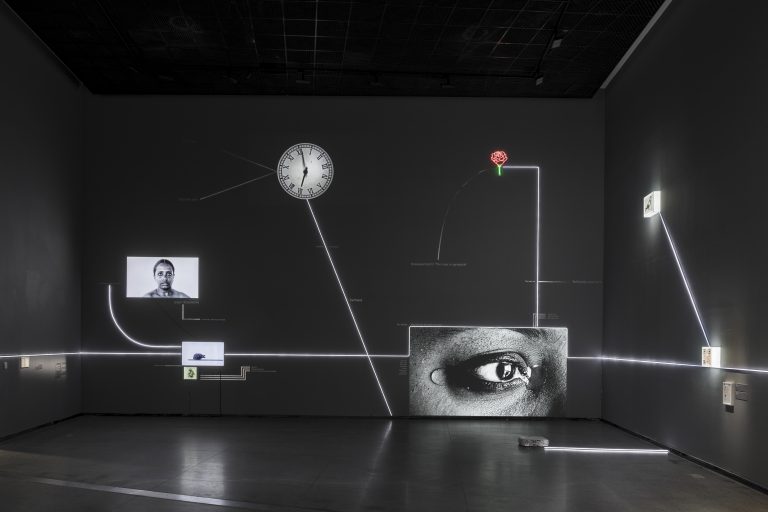
In the 2023 present of mOTHERTONGUE, this installation serves as an elusive historical example of Sen’s conscious use of reframing and recontextualization. The slippage between 2020 and 2023 is revealed through reference to the fair but also concretised with the October dating of Sen’s statement. The dates of each caption, the curatorial suggests to the visitor, are less relevant than the persistent and singular present of ACCA. Persistent reframing and recontextualization is a mainstay of Sen’s practice and are visible in discrete artworks within the show. Having been curated with the same artistic strategies in mind, mOTHERTONGUE is both a solo exhibition and a single work of art, dated 2023.

Read More
feature
Review

A Changing World

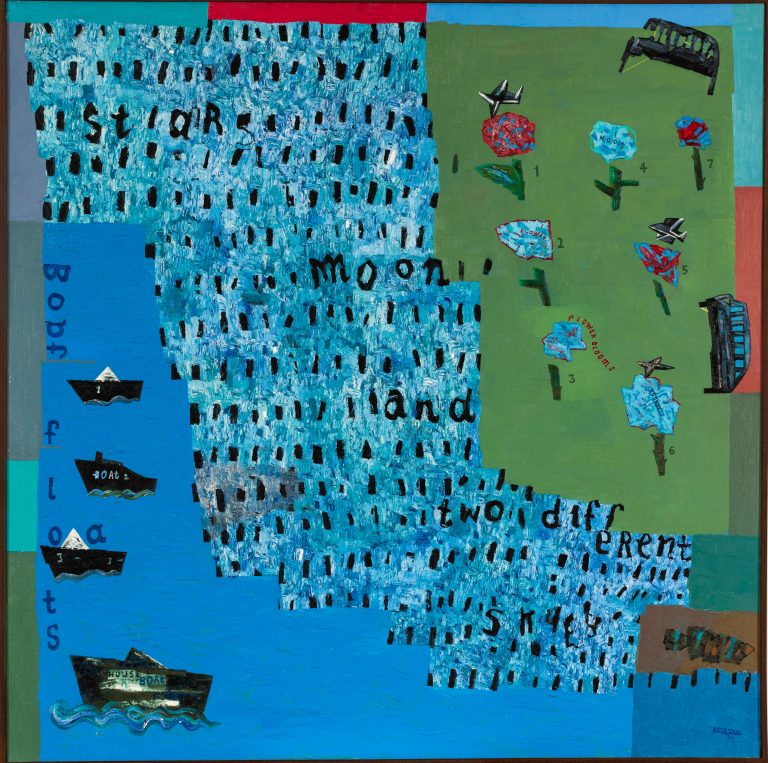
Arpita Singh’s canvases in her solo exhibition Meeting at Vadehra Art Gallery in Delhi were awash in shades of blue. In several of her paintings on display, it appeared as if tides carrying flotsam and jetsam had swept over them, generating surfaces swimming with detail. Nowhere was this more evident than in the poignantly titled The swans did not come back this year. Irregular patches of white, oddly reminiscent of corrugated roofs of shanty houses, peppered the waterscape as did a few stretches of brown and lettering in differing colours and sizes. If in the past Singh inserted flora or custard apples to fill in empty spaces in the pictorial plane, then here her flower fetish was strangely absent.

Read More
feature
Review

Nasreen Mohamedi: Singularity and Sociability

Nasreen Mohamedi’s hand-written letter to her close friend, artist Nilima Sheikh exudes a sense of both restraint and tenderness. With her formal handwriting, she composes what appears as a verse of concrete poetry – simultaneously referencing and exploring ideas of space – on a piece of graph paper. Providing a window into the late Modernist’s preoccupations with nature, abstraction, and the limits of perception, this letter, describing the seashore at Kihim, also inspires the title of her latest retrospective at Jehangir Nicholson Art Foundation (JNAF) – Nasreen Mohamedi: The Vastness, Again and Again.

Read More
feature
Review

Weaving a World: Kanishka Raja’s Ground Control

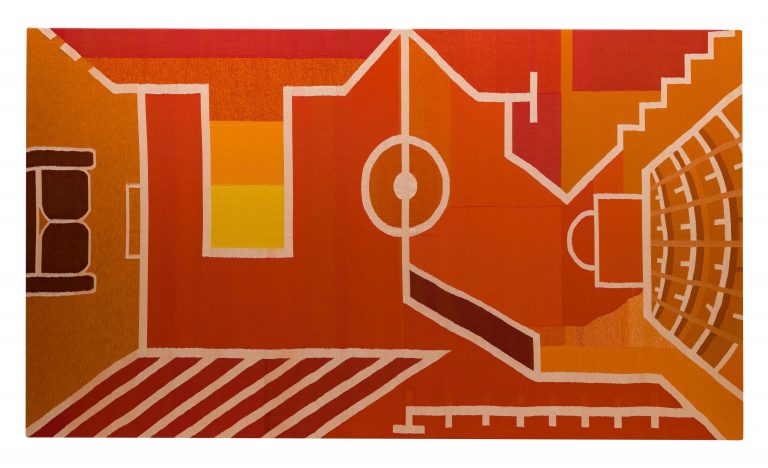
Bright as a computer game on a screen, Ground Control began with references to music, borrowing its title from David Bowie, and has an aerial perspective, if not the tin-can view. Is the artist Ground Control and who is Major Tom? The roles reverse playfully, and the show, like a game, moves effortlessly between footprints of buildings, courts and playing fields, and outlines of urban spaces. The vibrant several shades of colour — earthy oranges and reds, purples, greens, blues — are interspersed with bold white lines, which resemble chalk or markers on a field.

Read More
feature
International Reviews

Imprinting Nature: Simryn Gill’s Naga Doodles

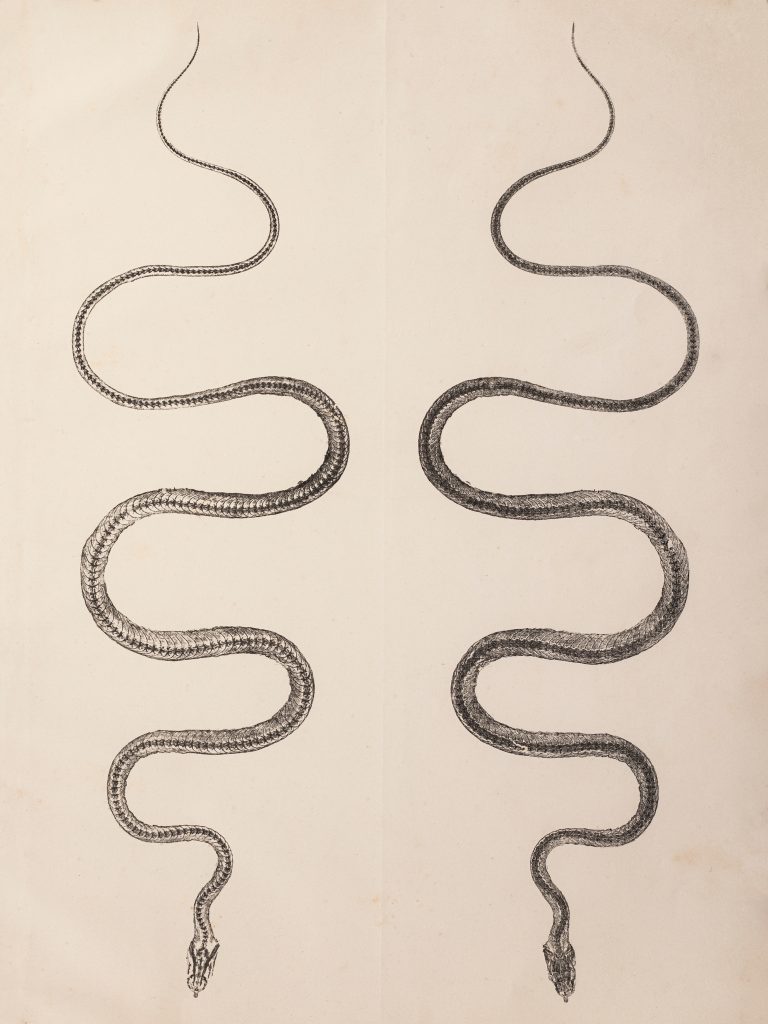
In the display case next to the skin is a nature-printed image made in Madras in 1857 by Henry Smith. Unlike Gill’s snakes, Smith’s specimen was artfully laid out in an elegant sinuosity, its two surfaces inked to yield a mirror-image pair when passed through a printing press. There is a history behind the contemporary work. Smith was a government printer, who claimed originality to his method of nature-printing (a process that has always been somewhat experimental), but one that was taken up by Hugh Cleghorn who in South India made many simple black prints of plant and tree parts as part of the earliest phase of the conversion of tropical forests into plantations: in his case for coffee and cinchona.

Read More
feature
Blog

How do you start writing?

My residency has ended, but I still have updates to share as I work on the final text. These two months have offered me the time, space and resources to unpack a set of research questions. They’ve also offered me valuable insights on how I write. This blog serves two distinct purposes: it is an account of how I have written, and also a reminder to myself as I ease back into this final stretch of writing.

Read More
Review

Mapping Connections: Linking Nature, History and Art

The 101 years old Chhatrapati Shivaji Maharaj Vastu Sangrahalaya (CSMVS) in Mumbai, home to historical artefacts that tell stories about India’s past, hosted unusual visitors – contemporary art installations. Fourteen Indian artists were invited to create artworks for an exhibition Rhizome – Tracing Ecocultural Identities, curated by Jesal Thacker, amidst the museum’s vast collection. The display of the artworks is spread across the museum’s two levels and in thematically different sections. As a visitor to this exhibition, you need a map in hand to spot the works, which are not easy to locate or noticeable in the museum’s stellar collection.

Read More
1 4 5 6 7 8 26
advertisement