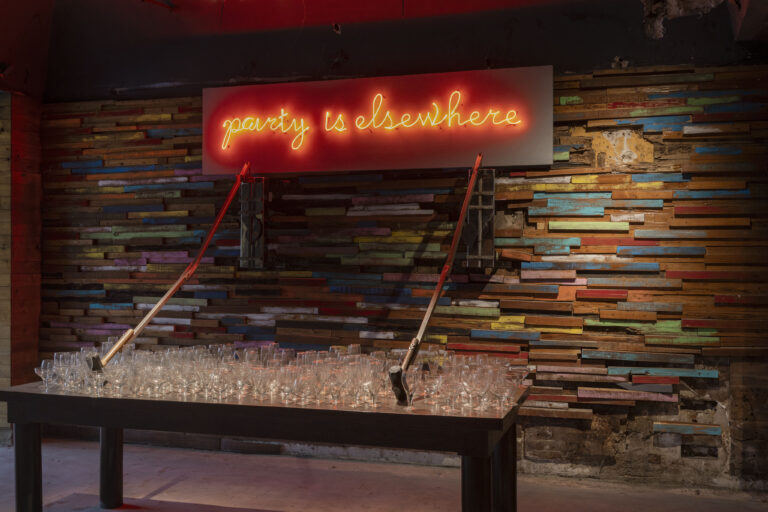


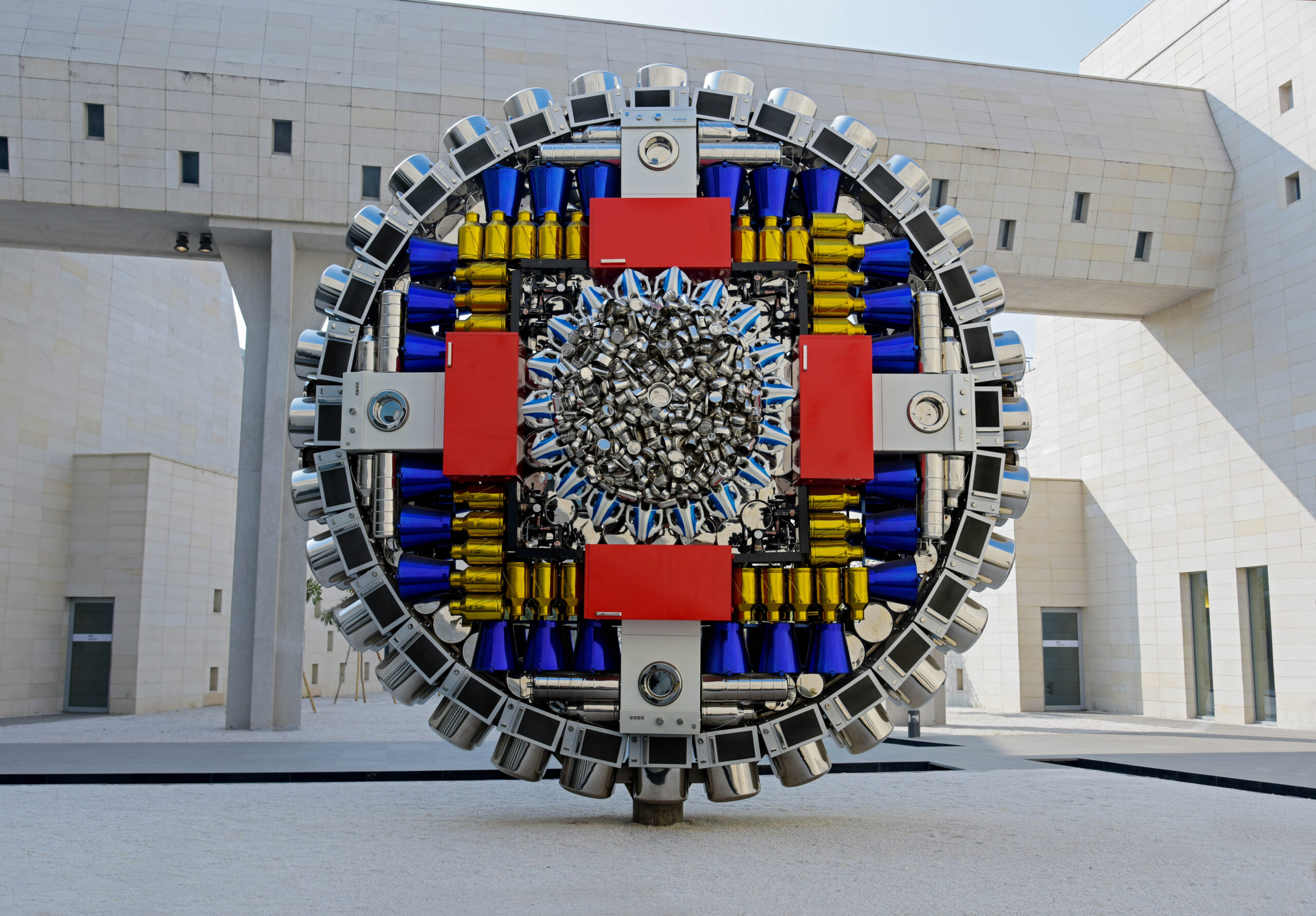
Buddha Yantra(Mandala), artwork of Subodh Gupta
Bhavna Kakar (BK): As a first-time visitor to the Bihar museum, what immediately caught my attention was the seamless harmony between the built-environment and natural landscape running across the vast expanse of the museum. Could you elaborate on the ideation process that defined the architecture of the Bihar Museum ?
Anjani Kumar Singh (AKS): As the Government of Bihar wanted to give the highest priority to showcasing its glorious heritage and socio-political development during various dynasties, it was decided to locate this museum in the central part of Patna. For this, five bungalows of the ministers and university buildings were shifted out to create adequate space for Bihar Museum. It is located on the main road in Patna.
BK: Interestingly, the architectural design of the Bihar Museum by Maki and Associates’ Design is a reflection of the transnational routes – pertinent to the mapping of the socio-cultural history of Bihar. If you could talk about how the architectural design of the Bihar Museum extends the unbroken relationship between traditional, modern and contemporary times — crucial to the Indian arts and aesthetics?
AKS: Maki and Associates were selected in an international competition by an international jury. The design of Maki was selected because it was simple, elegant, and adjusted well with the architecture of Patna. It is not an imposing building and reminds us of the ruins of Nalanda University. It is designed in a campus style, using a lot of natural light and air. It looks both traditional and contemporary. It symbolises learning from heritage and moving into the modern future.
BK: I am curious to know about your conversation with Subodh Gupta around the installation Yantra, which engages the viewers to ponder upon the cosmic and meditative ways of life, before the final installation was displayed at the museum.
AKS: Subodh Gupta was requested to make a sculpture on the development of Bihar. His installation shows how old and new utensils and equipment exist together. It also shows the transformation of rural Bihar.
Besides, the artefacts on display in the museum, which open the door to the rich art history of Bihar, the authentic Bihari delicacies at the restaurant Potbelly introduce a gastronomical way of understanding a culture. I am keen to know how important it is to have a multi-pronged approach to building a holistic overview of Bihari cultural identity. We wanted to brand Bihar’s cuisine and showcase its range and variety. As Bihar did not have a Gujarati thali or Rajasthani thali, that is where development took place in the cultural regions of Bihar. For example: Maithili Thali, Bhojpuri Thali, etc. We wanted to inform the world that Bihar’s cuisine is very rich and that it is not only Litti Chokha.
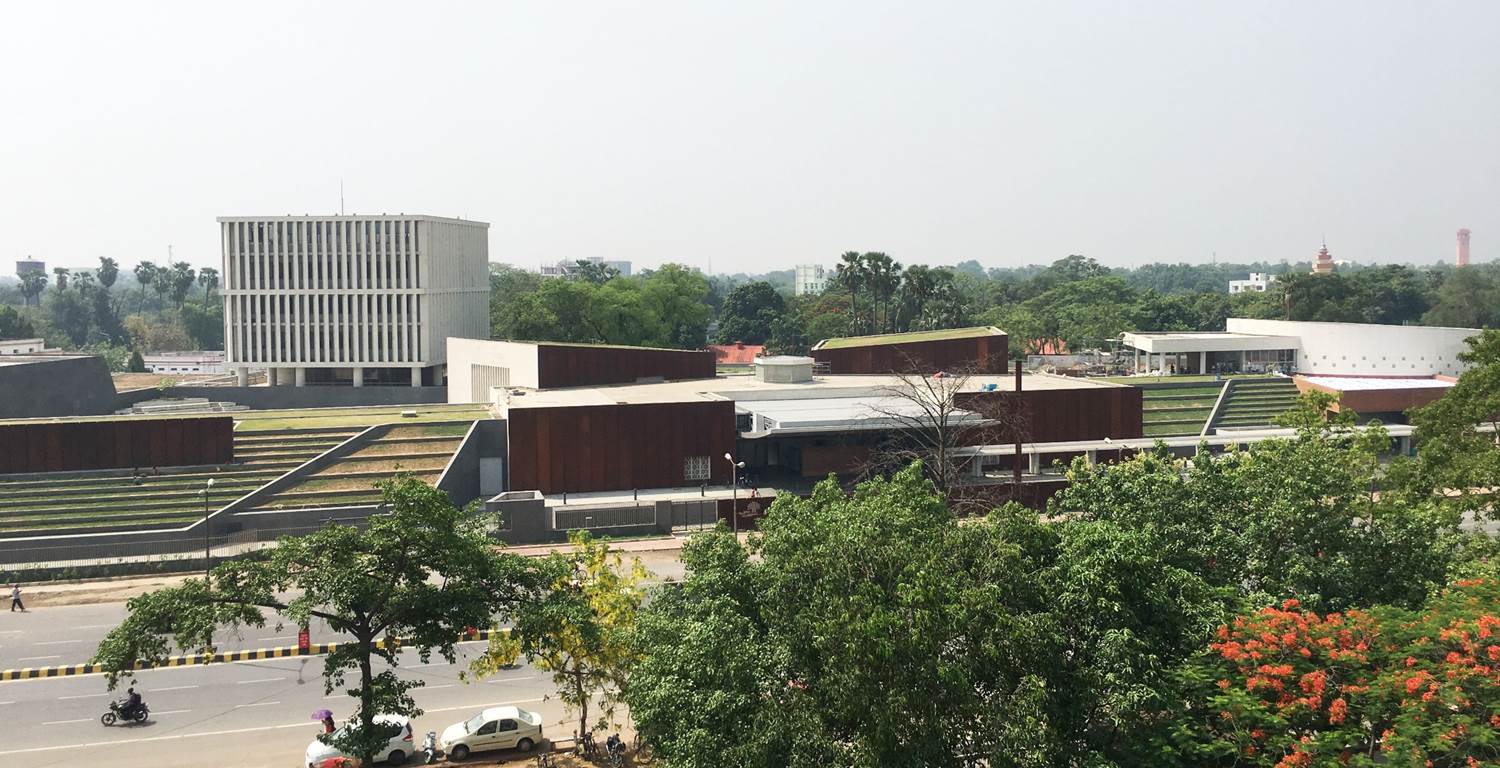
View of Bihar Museum
BK: Importantly, the Bihar Museum caters to the interests of a young audience, especially children. Would you like to walk us through the design of the children’s gallery put into practice to sow the seeds of interest towards museums and art history?
AKS: Unlike many museums, we never say, “Do not touch”, we encourage children to touch the artefacts, feel them, and explore them. The entire children’s section is highly interactive and informative. We want children to learn by playing. We have used much study material in the fabrication of artefacts in the Children’s Section.
BK: The outreach programming is integral to the dissemination of art, beyond the visitors in the museum. As editor and publisher, I am prompted to know more about the modalities that structure the curriculum.
AKS: We have run courses on archaeology and art appreciation. We conducted workshops involving children with special needs. We are also developing replicas based on important artefacts from the museum to take exhibitions into remote and hilly areas.
BK: In recent times, the museums have underscored the importance of developing the tools necessary to decolonize the inherent practice of documentation, circulation and consumption of knowledge systems available in the museums. In the same spirit, could you share if the curatorial and display methods blur the colonial distinction between East and West?
AKS: Bihar Museum for the first time organised the Museum Biennale 2021 to bring all Indian museums on one platform to share their artefacts, histories, and strengths. It was very successful. Another edition is planned for 2023, where the museum of India and foreign Museums will be showcased together.
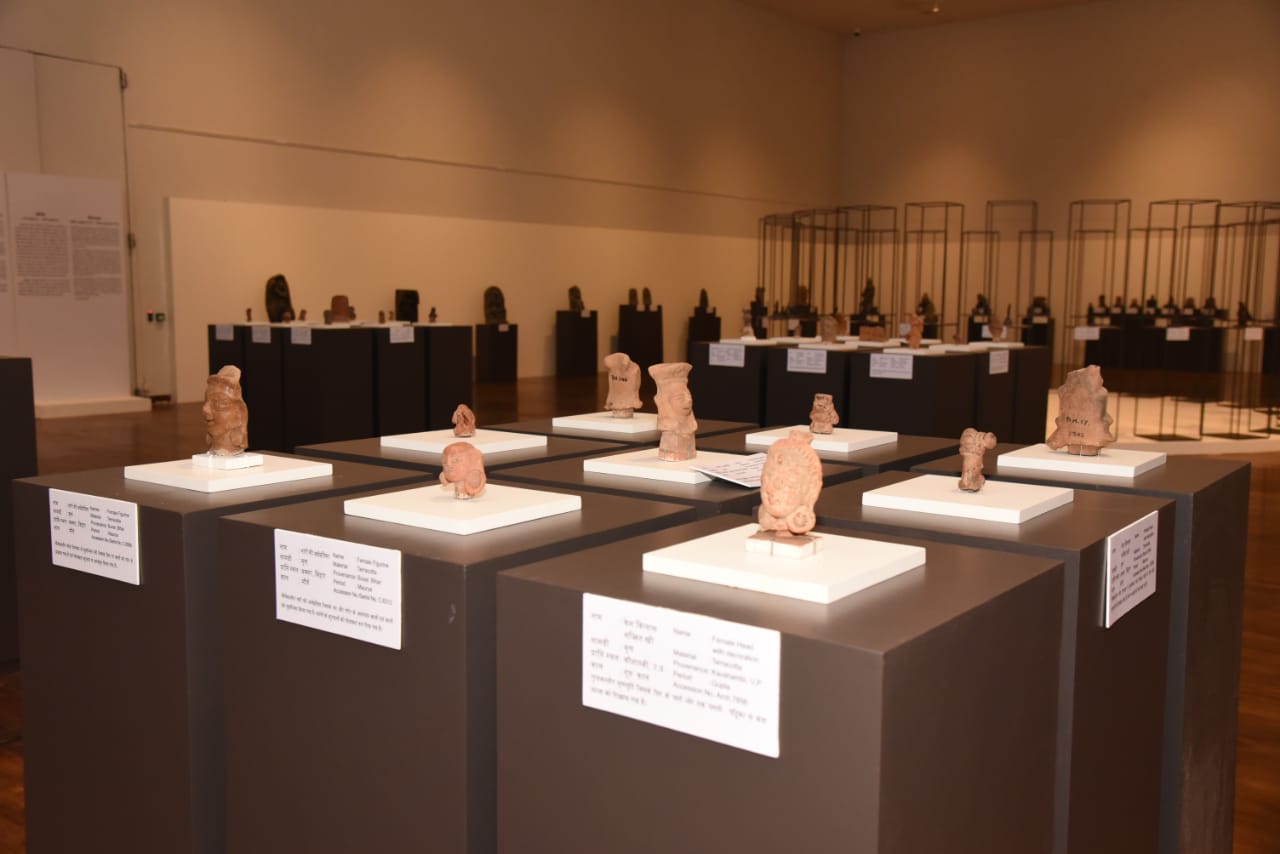
View of Exhibition on Women and Deities, Bihar Museum
BK: This brings my attention to the recent exhibition Women and Deities, curated by Dr Alka Pande, and how it debunks the conventional view of women as the epitome of physical beauty. If you could cite a few examples from the exhibitions to support your answer ?
AKS: We wanted to prove that women have been powerful and respected throughout history, both as common women and as deities. The empowerment of women may be a modern concept for the world, but in India, it has been a tradition. They were not only beautiful but also important and powerful in various roles.
BK: Women are synonymous with Prakriti and ecological balance in Indian culture – has this been addressed in the exhibition?
AKS: Yes, it has come out beautifully in the exhibition. The exhibition shows how women’s lives were closely related to nature. There are deities that represent different facets of nature.
BK: The exhibition has a series of sculptures in various materials—terracotta, metal, stone – and paintings from the miniature to contemporary periods. Could you elaborate on the selection process of these works from the vast collection of the museum?
AKS: The exhibition was planned from our non-displayed collection. We wanted to bring these artefacts out of storage so that the world could see the richness of our collection. Those artefacts were selected because they related to the status of women in the last 3000 years. It was a tribute to our women and their empowerment.
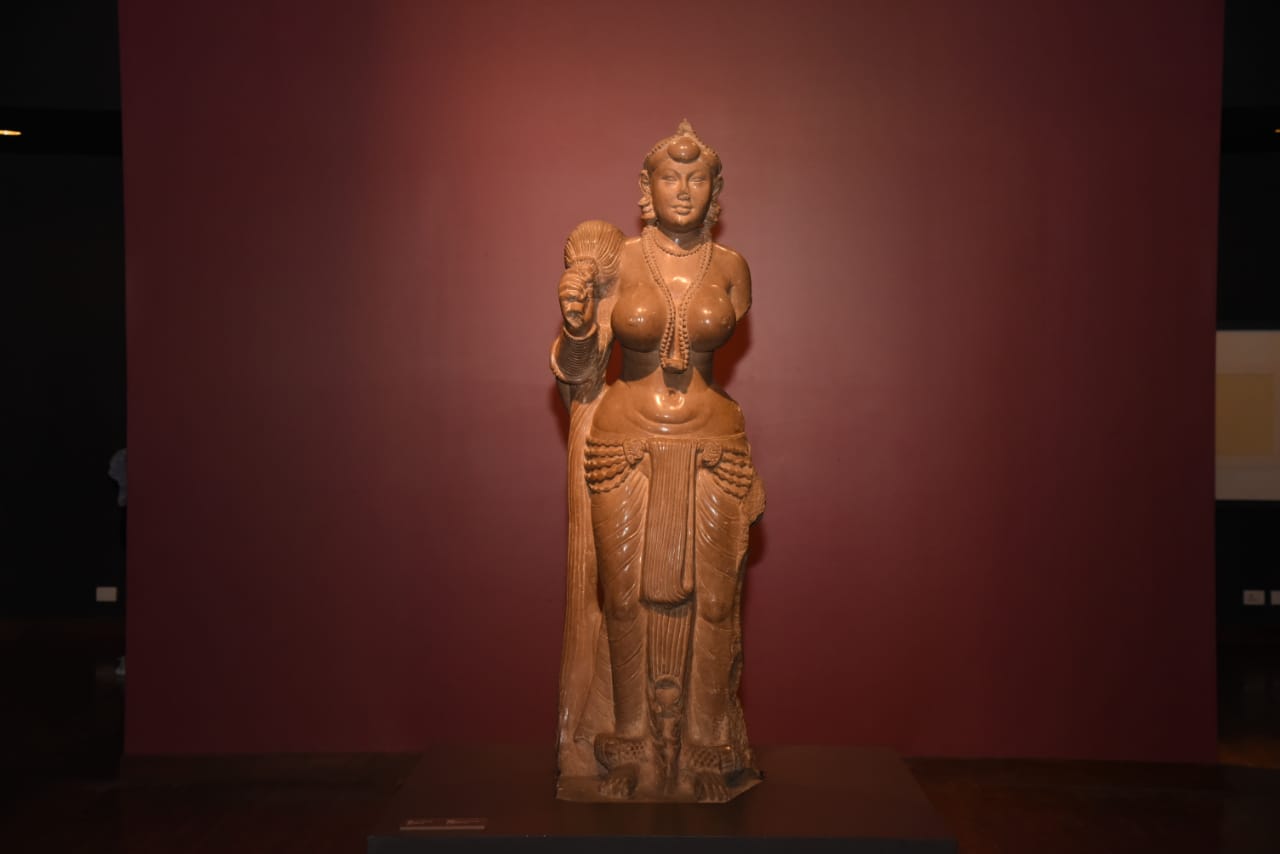
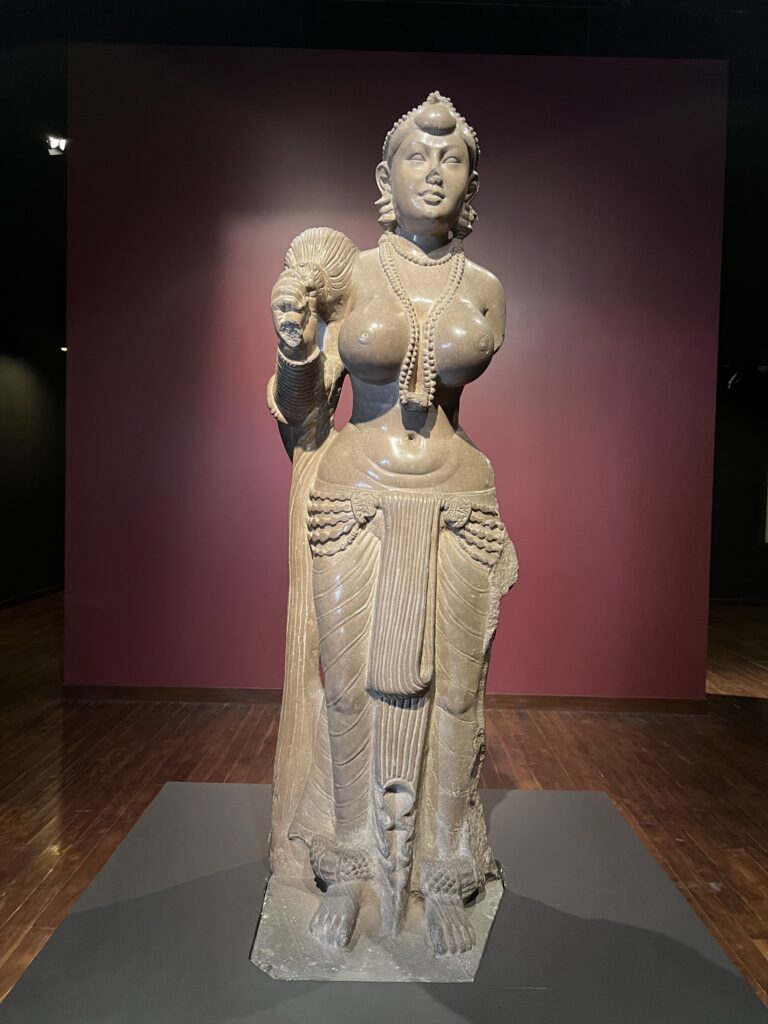
The world-famous Chauri bearer from Didarganj, Patna City of the Mauryan period, famous as ‘Didarganj Yakshi’.