The Murals of K.G. Subramanyan
Take Pick
By Tanya Dutt
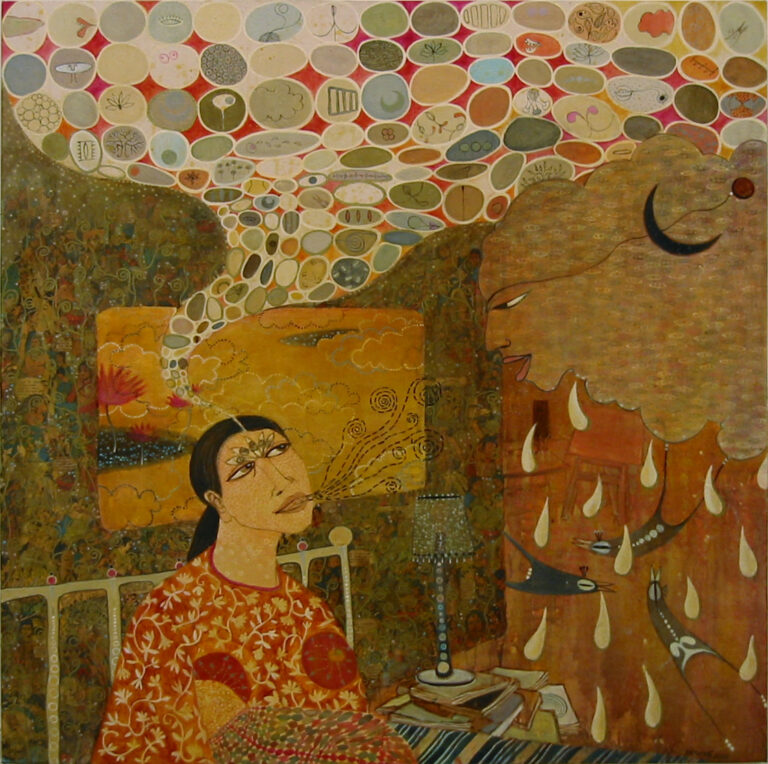
In an era when the climate crisis is no longer an abstract future but a daily condition of life, the question confronting contemporary art is not simply what it represents, but how it thinks. How does art hold contradiction, vulnerability, and survival at once? How does it remain porous to history while alert to planetary urgency? Amphibian Aesthetics, the inaugural exhibition at Ishara House in Kochi, enters this question not as metaphor alone, but as method.
Read More
Review
By Mustafa Khanbhai
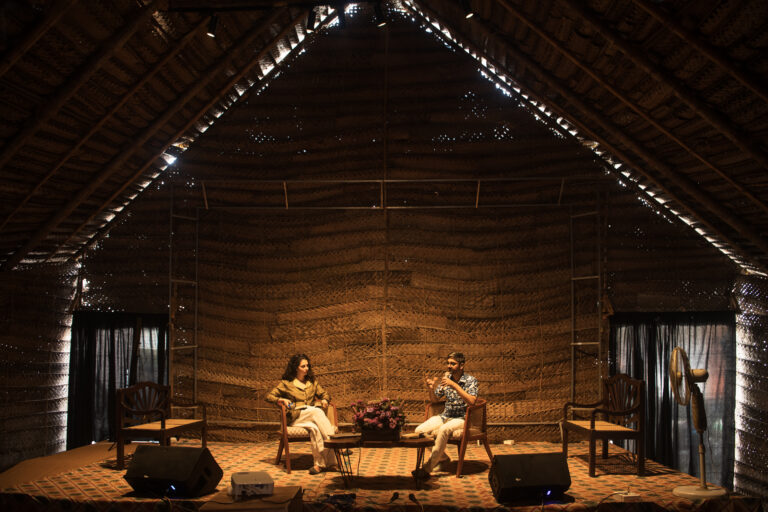
In a conversation between Korram and Rahee Punyashloka, the curator of exhibition, the former remarks that guns, whether toys or weapons in the hands of guards, are part of daily life in Bastar. During elections, festivals and other such large gatherings, the presence of armed personnel is naturalised under the name of security. The effect is to position violence not at the periphery but at the centre of experience, where it becomes impossible to separate civic, ritual or recreational activities from the shadow of militarisation. In particular, these sculptures highlight the speed of modern forms of violence and deforestation, such as automatic weapons, heavy machinery for logging and armed jeeps used by hunters.
Read More
Interview
By Kristine Michael
We are trying to both celebrate Vimoo’s life and works as well as bring her into the spotlight once again in the history of modern art in India, which often overlooks clay as a medium of expression and lesser-known artists. Much more work needs to be done in the project, for example, in both her teachers’ archives Ronald Cooper of the Willingdon Art School and Marianne de Trey’s archives in the UK. She did exhibit at the Commonwealth Artists Exhibition at the V&A Museum as well in the 70s.
Read More
Review
By Meera Menezes
Ravikumar Kashi’s ‘Fragile Worlds’ at the Museum of Art and Photography, Bengaluru, evokes the permeability of form, memory, and meaning. Through delicate, net-like sculptures and poetic explorations of language, the exhibition invites viewers into a tactile, immersive meditation on fragility, interconnectedness, and the porous edges of self and society.
Read More
Book Review
By Alka Pande
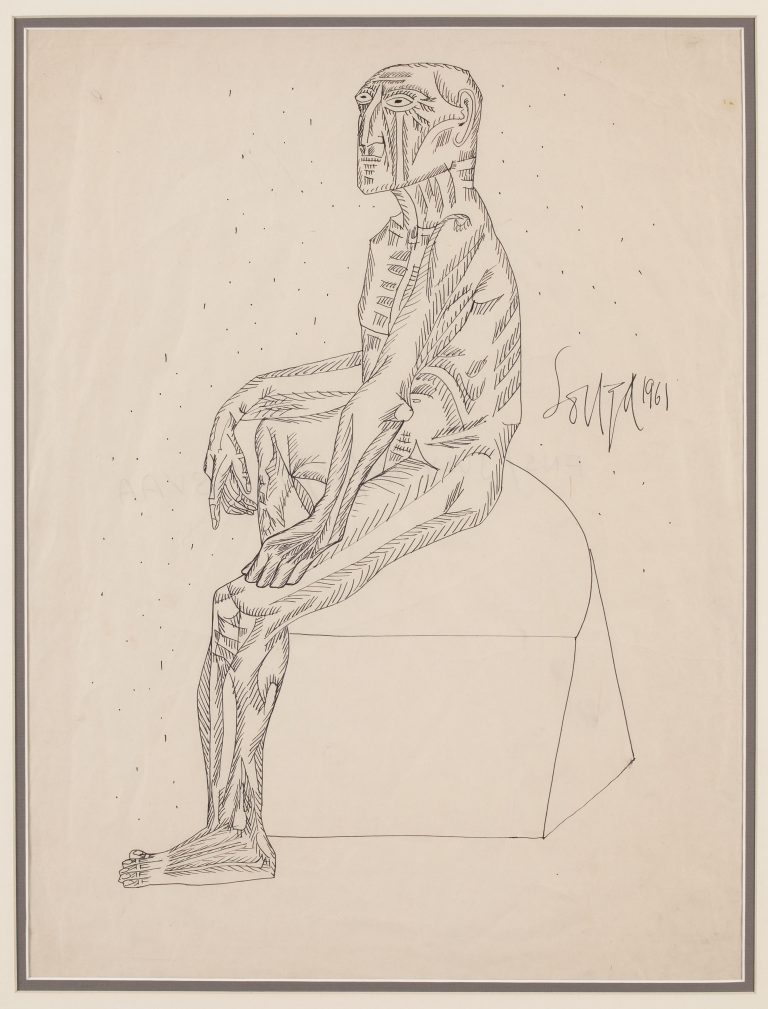
This review by Dr Alka Pande explores 'F.N. Souza: The Archetypal Artist' by Janeita Singh (Niyogi Books), a bold and interdisciplinary examination of one of India’s most controversial modernists. Blending Jungian psychoanalysis, feminist literary theory, and cross-cultural philosophy, Singh offers a fresh, intimate lens into Souza’s work—unpacking themes of sexuality, shadow, and modernity with remarkable clarity and conviction. A compelling contribution to postcolonial readings of Indian art.
Read More