shopping-cart
search
×

TAKE Black

feature
Report

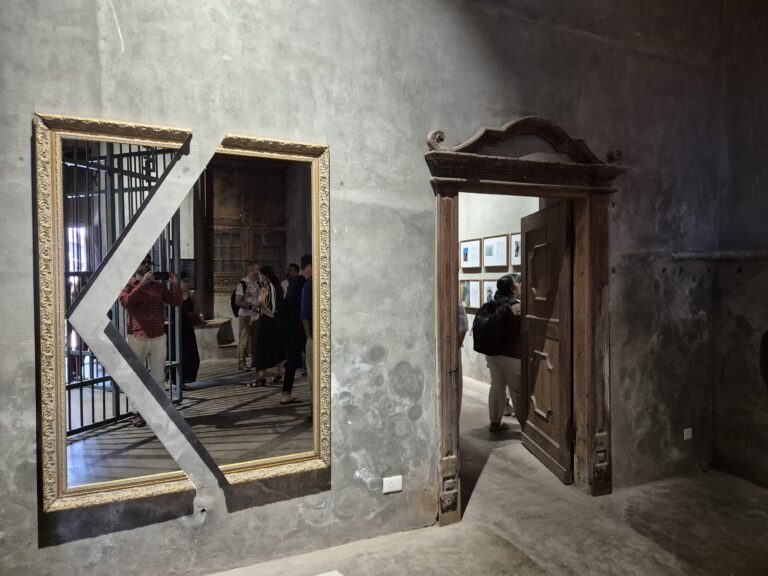
MOVING TOGETHER: Tropical Choreographies at the Curators’ Hub

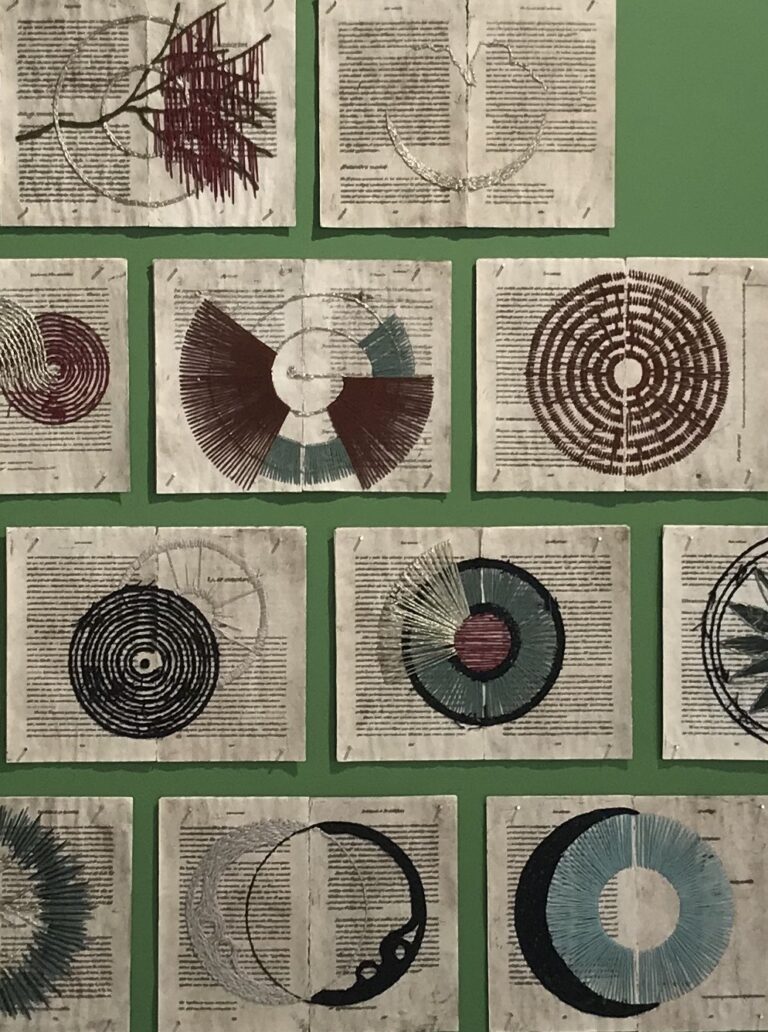
In her essay ‘When Was Modernism in Indian Art?’ the critic Geeta Kapur putsforth the argument of the unsteady status of modernism as being simultaneously desired and abhorred amidst anti-colonial struggles and how it reflected in the practices of artists like Ramkinkar Baij at Kala Bhavan in Santiniketan, moving towards “postcubist expressionism” with his abstract sculptures drawing figures from his everyday life – or Jamini Roy beyond the Kala Bhavan circuit in Kolkata, amalgamating “folk iconicity” and “urban commodification”. The art historian R. Siva Kumar would term this shift in practice as “contextual modernism”, foregrounding Santiniketan as a generative ground for this turn in Indian modern art.

Read More
feature
Review

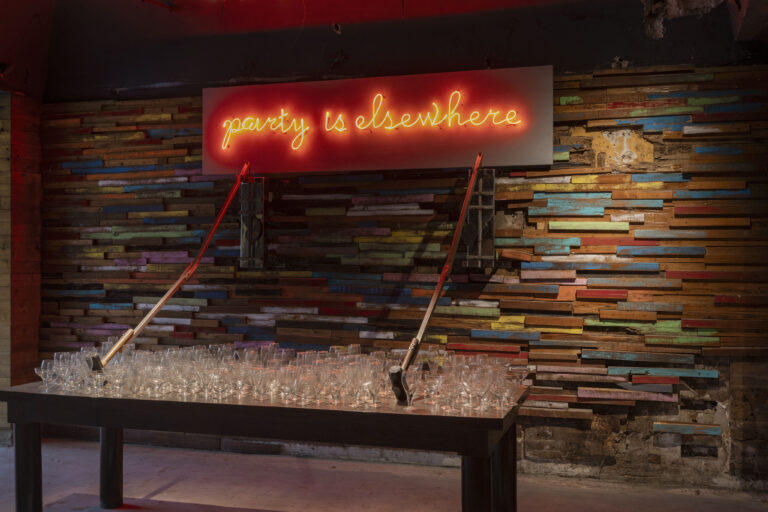
Echoes of Ephemera: Party is Elsewhere

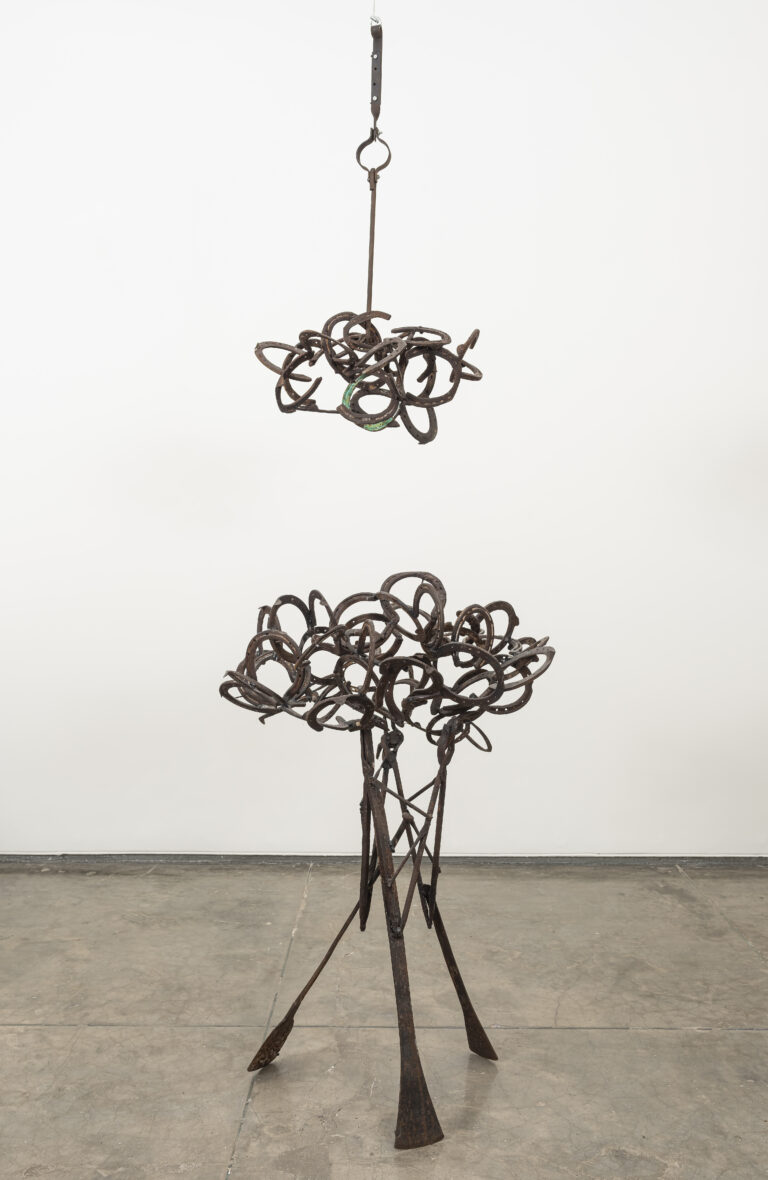
If a thing of beauty is a joy forever, as English poet John Keats would have us believe, then what is to be made of a show that highlights decrepitude? Is its job to remind us of the ephemeral nature of life and everything in it? That the value of the grotesque and the repulsive is in its mere existence, as it allows pretty perfection to stand out further? Or, alternatively, does the unpleasantness itself hold value as a much-needed contrast to whitewashed ideals? These are some of the questions that come to mind upon browsing through ‘Party is Elsewhere’, a multi-artist showcase which took place in February this year as an India Art Fair Parallel offering. 

Read More
feature
Review

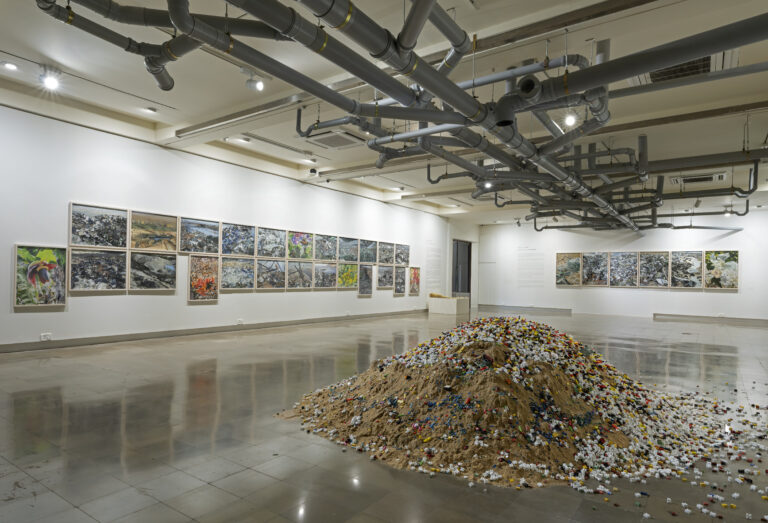
On Unequal Burdens: Waste and Toxicity in Navjot Altaf’s New Works

The collective title of the paintings, Waste Archive as Landscape, suggests they are meant to be archives. If so, they are archives that are out of reach, whose contents cannot be discerned. Perhaps this effect is a reference to the impact of the limitless cycles of production of products that humans cannot entirely grasp or catalogue. On the contrary, those who live on the edges of landfills, both humans and nonhuman living beings, suffer the consequences viscerally.

Read More
feature
Essay

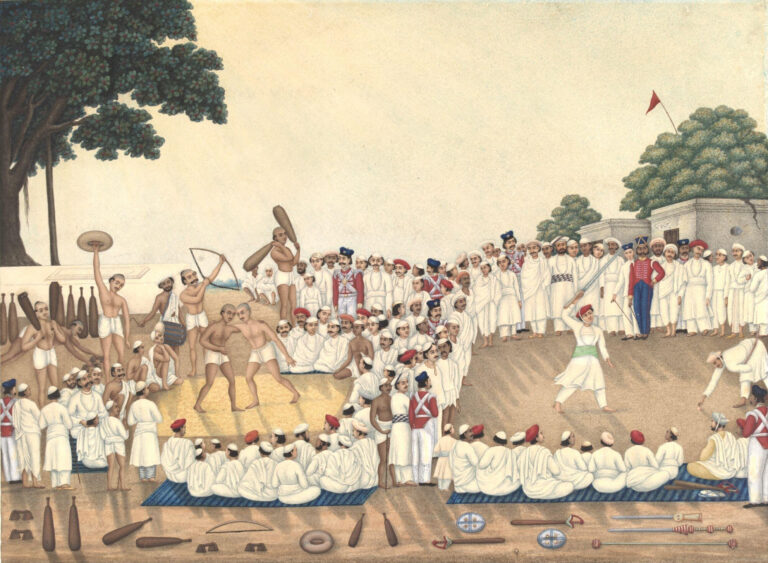
Art Muscle

The wrestlers in traditional miniature paintings are presented differently from the bodies that dominate contemporary fitness culture. Their physiques matter, but they are rarely the central subject. Attention is directed instead toward movement, technique, ritual and the communities gathered around these practices. What emerges is a vision of strength that is fundamentally relational rather than individual. The muscular body was certainly present, but it had not yet become the primary object of attention that it would later become in the worlds of bodybuilding, fitness culture and social media.

Read More
feature
Essay

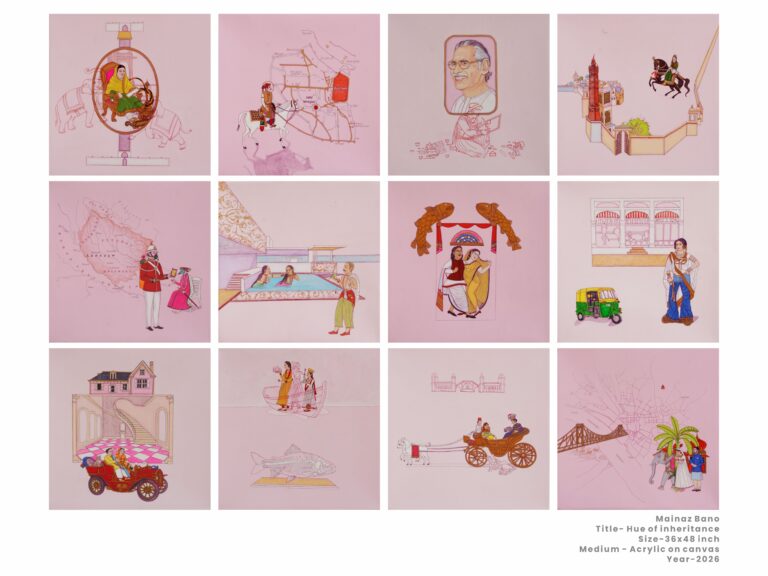
Personal Mythologies

Miniature painting, which may have experienced a low period a decade or two ago, is riding on a good wave now. As Vinita Sharma shares, a lot of artists from the younger generations are investing time and energy in learning these old and trusted techniques, often reframing them to fit within personal contemporary explorations. Vinita Sharma, Mainaz Bano and Gargi Chandola may have never met, but their works connect and share common space, bringing varied perspectives, thoughts and ideas to this dialogue. Womanhood is never singular or fixed, nor is the expression of it. Every sketch, every composition holds multiple stories, mythologies and lived experiences. The individual voice carries the resonance of multiples. 

Read More
feature
Review

Amphibian Aesthetics: Lens to Hyphenated Identity

Not a celebratory idea of nature’s unique benevolence, i.e., the amphibian, but a nudge to the human tribe to recognise and acknowledge the abyss of apocalypses it has entailed in the face of unchecked urban development. The hyphenated identity of an amphibian, which can live on land as well as in water, within the realm of the exhibition, epitomises the catastrophe humans have waged on the Earth, only to break its existence rooted in harmony with nature. To mention, Amphibian Aesthetics marks the first exhibition presented at Ishara House, initiated by the Ishara Art Foundation in Dubai. The exhibition, alongside the Kochi Muziris Biennale, is organised in partnership with Aazhi Archives: a collective of artists, writers, scholars and researchers engaged in collaborative studies of Kerala’s maritime past and its changing artistic cultures.

Read More
1 2 3 26
advertisement