

The South Asian country of Bangladesh is in the throes of political change. In July 2024, commonly called the July Revolution, a student, Gen Z-led, pro-democracy mass movement resulted in ousting Prime Minister Sheikh Hasina. Two weeks prior to Bangladesh’s first national elections since the revolution—considered the country’s first free ones since 2008— Dhaka’s revered international festival of photography, Chobi Mela, was staged from January 16-31, 2026. Marking its 11th edition, the festival explored themes of reconstruction, national renewal and resilience through works by artists from across South Asia, the Arab region and the wider world.
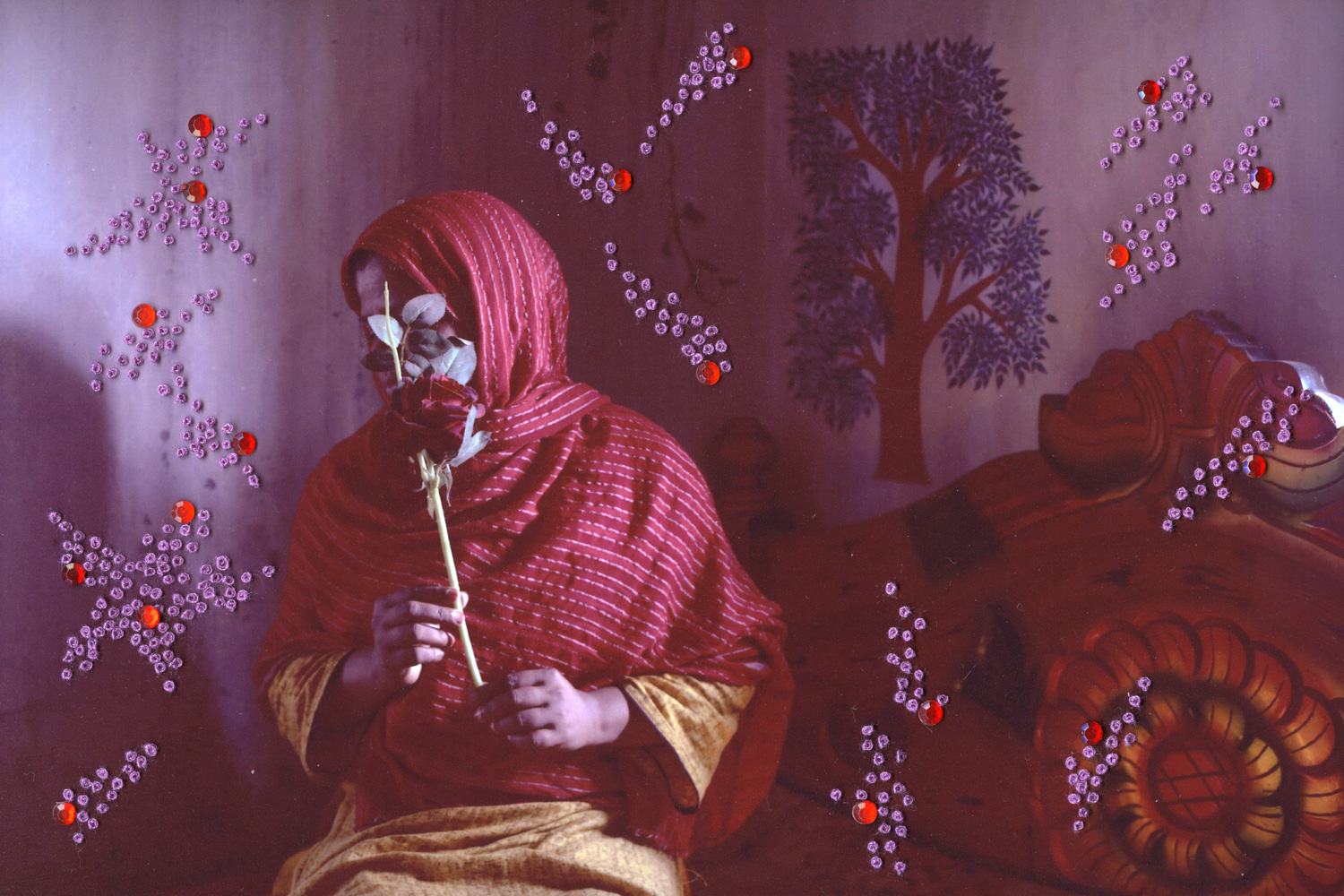
Sumi Anjuman, From the series Unhealed Beneath Grieving Skies, 2025 – ongoing; Bangladesh. Image Courtesy: the artist.
Photography has long been a way to document reality through the artistic sensibility of the person who controls the lens. In his book The Burden of Representation: Essays on Photographies and Histories, John Tagg argues that the camera is not an innocent, neutral recording device, but a powerful instrument of social reality. Led by artistic directors Munem Wasif and Sarker Protick alongside guest curators Tanvi Mishra and Shohrab Jahan, this year’s Chobi Mela reemerged after five years, presenting a range of 58 lens-based artists and collectives from across five continents, with a large portion from South Asia and the Arab region. On view were works tacking this edition’s theme of “Re,” which, according to the event’s curatorial text, reflects “a repetition, a reversal and a reopening,” prompting the visitor to not only behold the images that they see, but confront and engage with their subject matter in a way that might encourage a change in perception regarding the status quo. As the curatorial text further states: “Across the works assembled here, we encounter the archive and the dream, the chant and the scar, the witness and the whisper.”
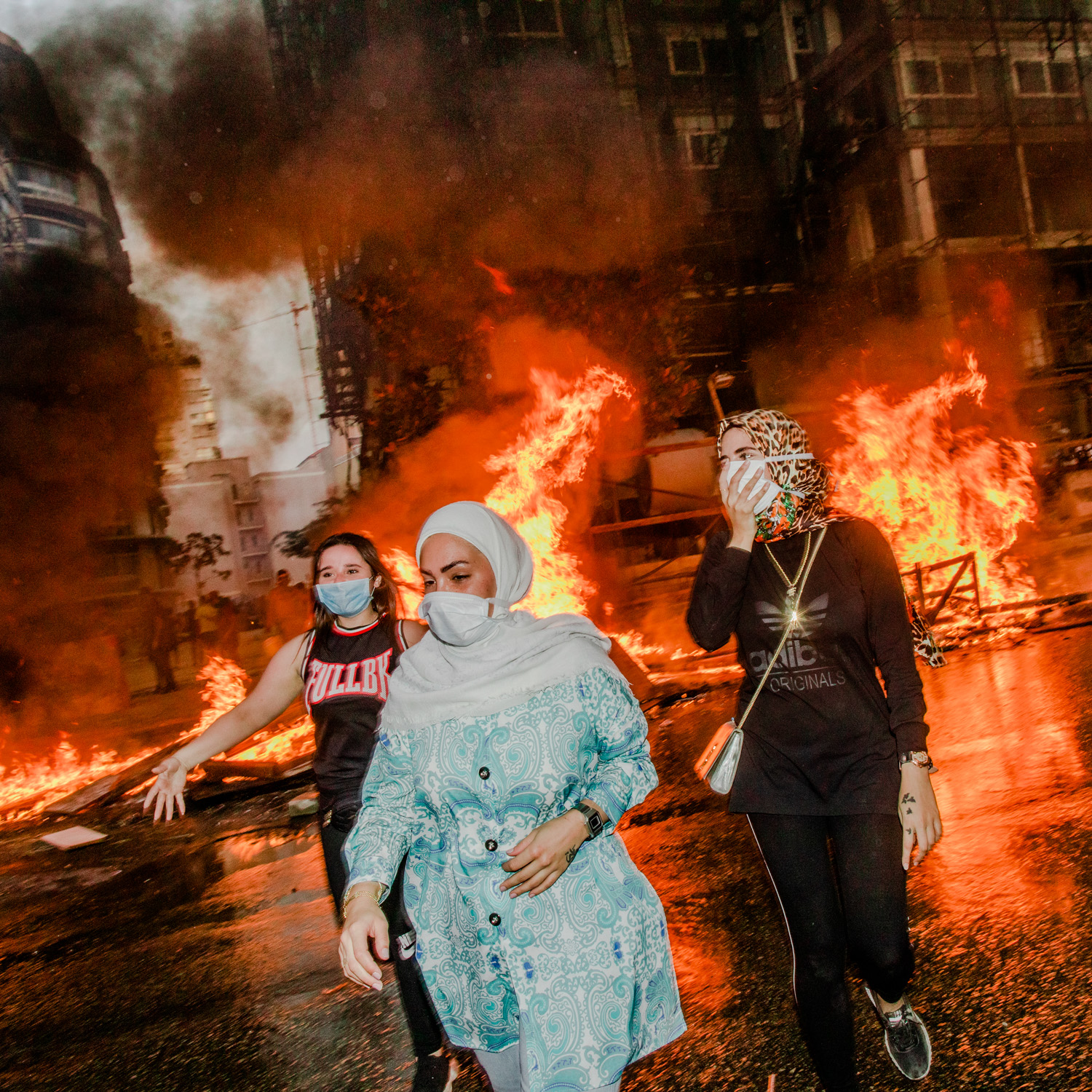
What’s Ours. Image Copyright: Myriam Boulos.
“This edition of Chobi Mela reflects the country’s desire to rebuild, renew and regenerate,” states Protick. “After July 2024, after such a big state collapse, the one thing that we often heard was the word reform. Everything needed a reform. We were in a very dire state. We kind of still are, and we were thinking that it is not necessarily something that just ended. We need to basically rebuild again.”
The natural landscape of Bangladesh itself reflects the idea of renewal. “We have a lot of rivers throughout the country,” explains Protick. “One way the Ganges Delta has developed in Bangladesh is due to sediments—fresh sleets that come through the Himalayas and every year creates new land, destroying the water but also creating new land, new islands, new farming, new community, new villages and new lifelines.”The photographs in this edition, which were spread out across five venues in Dhaka— Bangladesh National Museum, Bangladesh Shilpakala Academy, Alliance Française de Dhaka, DrikPath Bhobon, and the Bangladesh National Parliament—document scenes of protests, natural landscapes, disappeared citizens, acts of recovering from trauma and smuggled screenshots.
In front of Louis Khan’s striking National Assembly Building of Bangladesh was an exhibition dedicated to women in the July 2024 uprising titled Women in the July Uprising: Essential Then—Why Erased Now? presenting a series of poignant images of women at the heart of the July 2024 uprising who powerfully shifted the country’s imagination of what resistance could be. The series portrays women running from tear gas during protests, holding candlelit vigils, providing care for their families, friends and for each other during the student-led mass uprisings, which included clashes with law enforcement agencies.
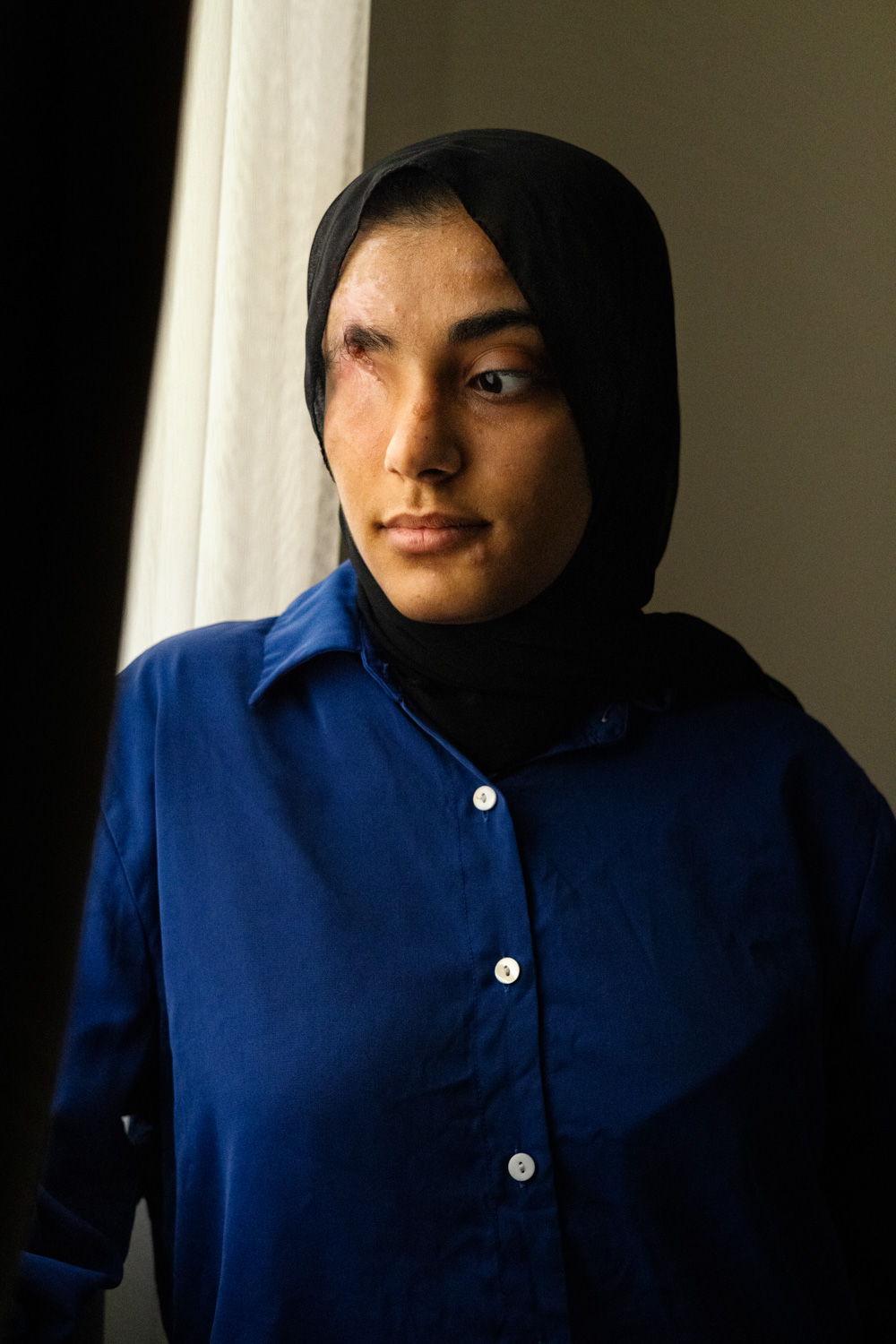
Out Of Gaza. Image Copyright: Samar Abu Elouf.
Reflecting a determination to go beyond the mere testimonies of their subjects, the photographs on view urge the viewer to deeply ponder the scenes in front of them and perhaps, especially for those created directly from conflict, foster new ways to move forward with dignity and hope. Palestinian photographers featured prominently in this edition, especially those capturing scenes from the genocide in Gaza. “There’s no way we could not avert Palestine because we are very much aware of the censorship that takes place in the West when you speak about Palestine,” says Protick. “In Bangladesh, we do not have that reality, and we wanted to share that solidarity because Chobi Mela has an international presence. We have never censored ourselves in any regard.”
Central to the idea of resistance and offering a way for the audience to engage in pressing social, cultural and political questions through images was the group exhibition But a Wound. The show derives its title from Palestinian poet and author Mahmud Darwish’s poem Diary of a Palestinian Wound and presents work that reflects the emotional toll of loss resulting from political conflict and displacement. Exhibited at Shilpakala Academy, one of the main venues, the photographs on display were by Lebanese artist Myriam Boulos, who captures the Lebanese revolution in 2019 and August 4, 2020 explosion; Salma Abedin Prithi from Bangladesh, whose work explores social violence and invites viewers into the unseen psychological landscapes of the traumatised; South African Ernest Cole, who depicts life during Apartheid; and Sudanese Muhammad Salah Abdulaziz, who photographs life in Khartoum amid the invasive presence of the military.
Also, in the Shilpakala Academy is an entire room dedicated to Palestinian photographers capturing intense scenes of violence from the recent genocide in Gaza. One is a portrait of a Palestinian woman’s face, missing one eye, also the campaign flier for Chobi Mela this year. Shot by Samar Abu Elouf, also serving as the campaign flier, the woman seems to gaze with determination out from the eye she has left. With her head covered while donning a deep blue shirt, Abu Elouf has captured her with grace and dignity. She is alive and has survived a war that has killed tens of thousands. Her image can be found throughout Dhaka promoting Chobi Mela as if the Palestinian resistance had descended on the city. While I heard some Bangladeshis quipping that more focus should be made upon the situation in Bangladesh, Abou Elouf’s haunting image is akin to Bangladesh’s own resistance, struggle and quest, as the images in this edition demonstrate, for hope and ultimately renewal and regeneration.