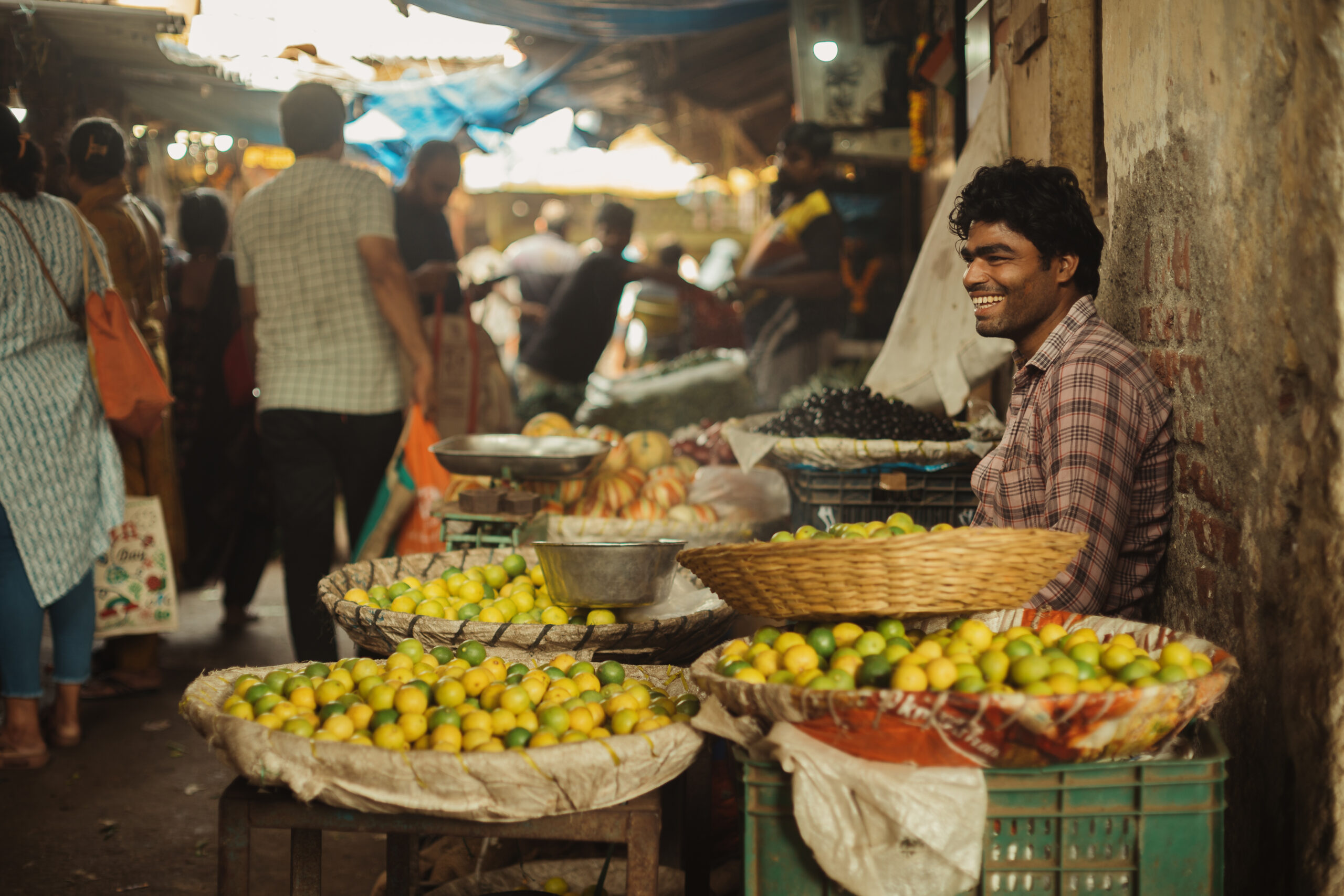


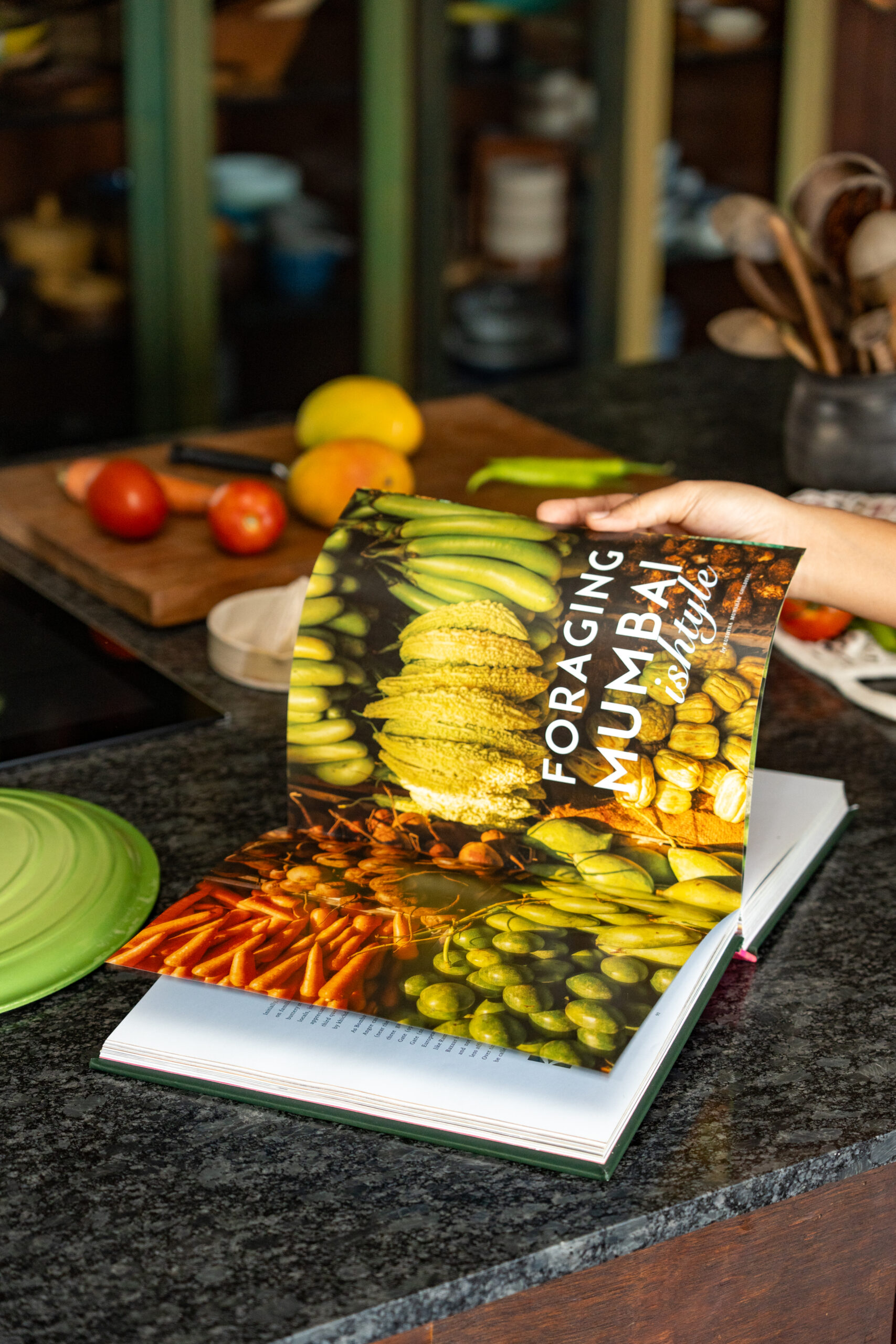
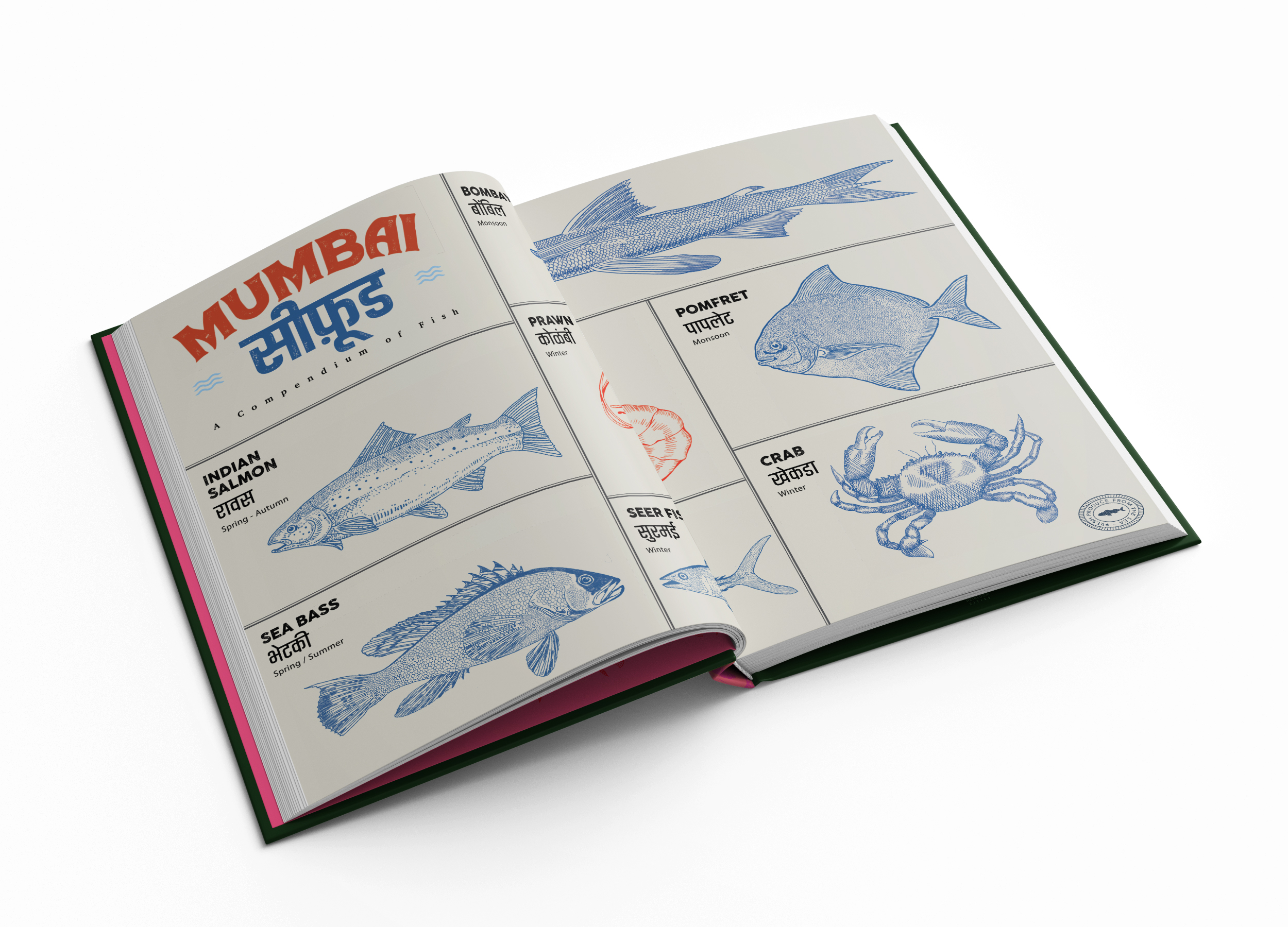
With its titles Mumbai and Kolkata, the publishing house Heirloom Cities is redefining the coffee-table book genre. Heirloom Cities is an independent and design-led publishing house founded by San Francisco-based Sri Bodanapu. It brings deeply researched coffee-table books that look at the identity of cities through the people and food cultures that shape them. The publishing house has produced carefully researched books documenting the culinary identities of two of South Asia’s most historically layered cities. Heirloom Cities currently presents two titles Mumbai, which won the prestigious Gourmand Awards, and Kolkata, which is set to launch worldwide on 28th April 2026. Through its inaugural series, Heirloom Cities examines how kitchens, markets, communities, and culinary traditions continue to shape the identity of Indian cities.
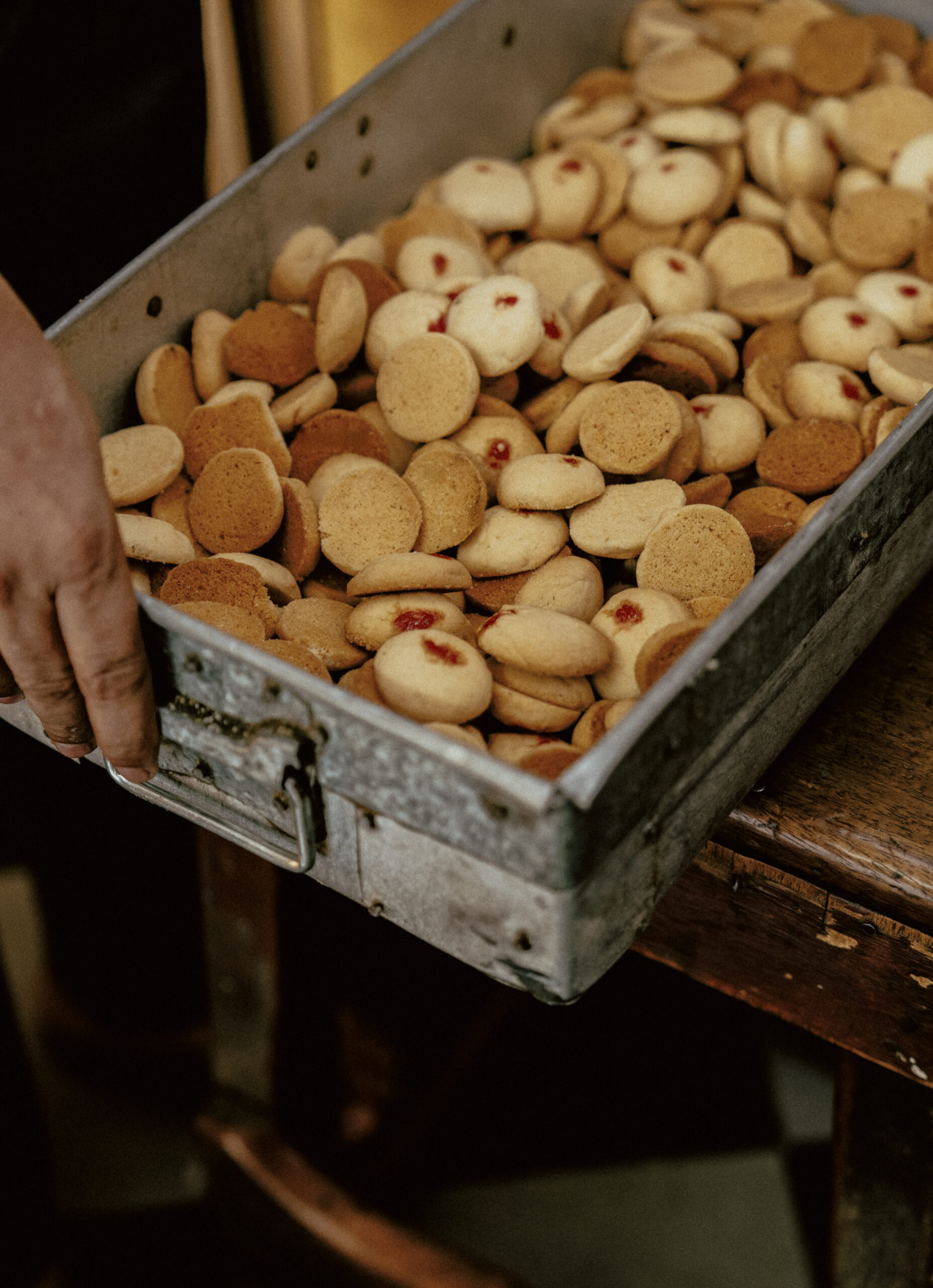
By weaving oral histories with archival material, the books capture lived experiences behind the recipes. Each volume reflects a meticulous visual language, combining contemporary photography with thoughtful design to create immersive narratives. The series also highlights lesser-known voices, home cooks, street vendors, and artisans, ensuring a more inclusive representation of urban food cultures. Heirloom Cities explores these cities through recipes and personal essays, brought to life through photography and illustrations. Each book is a rich visual anthology that captures how food connects families, communities, and urban histories.
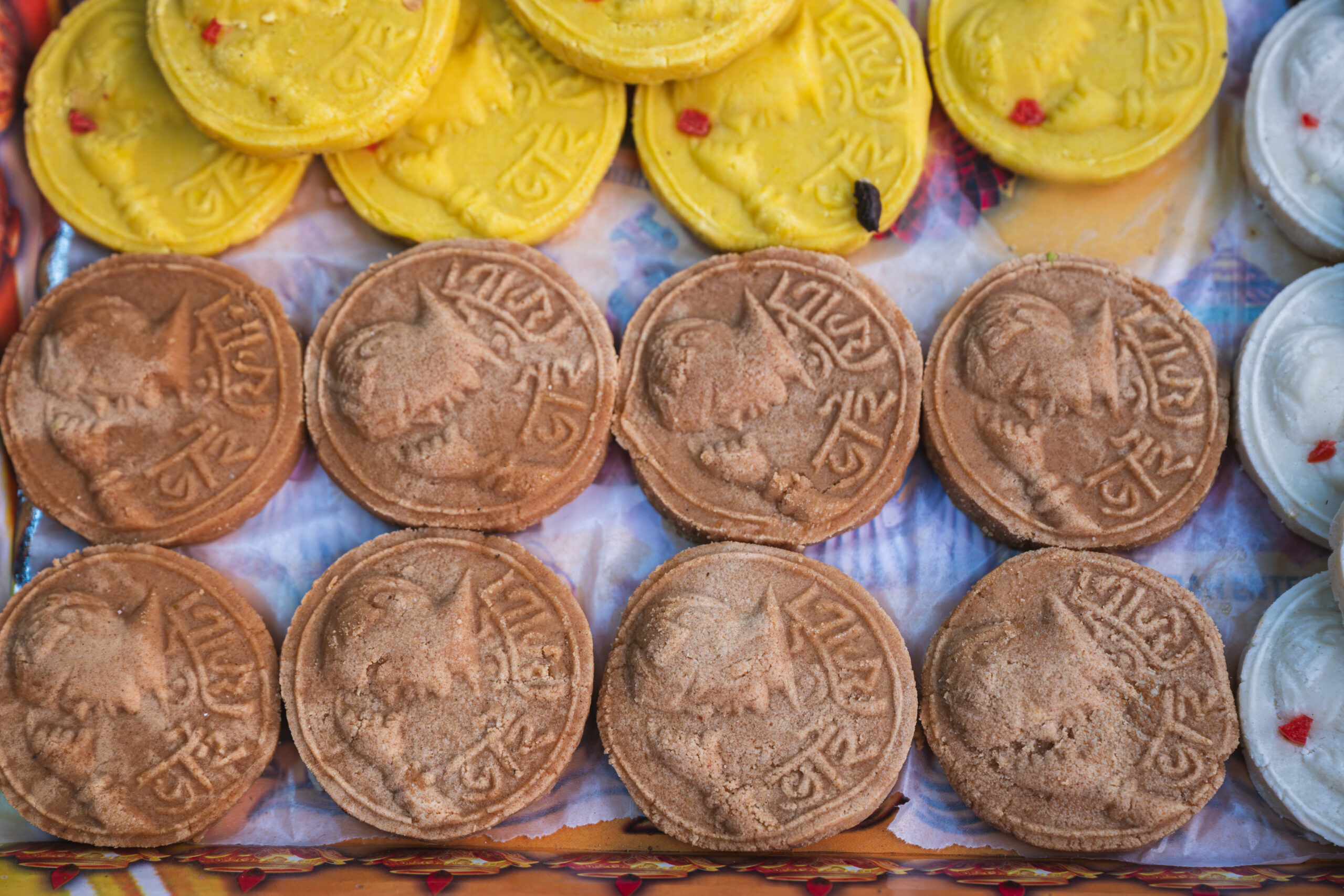
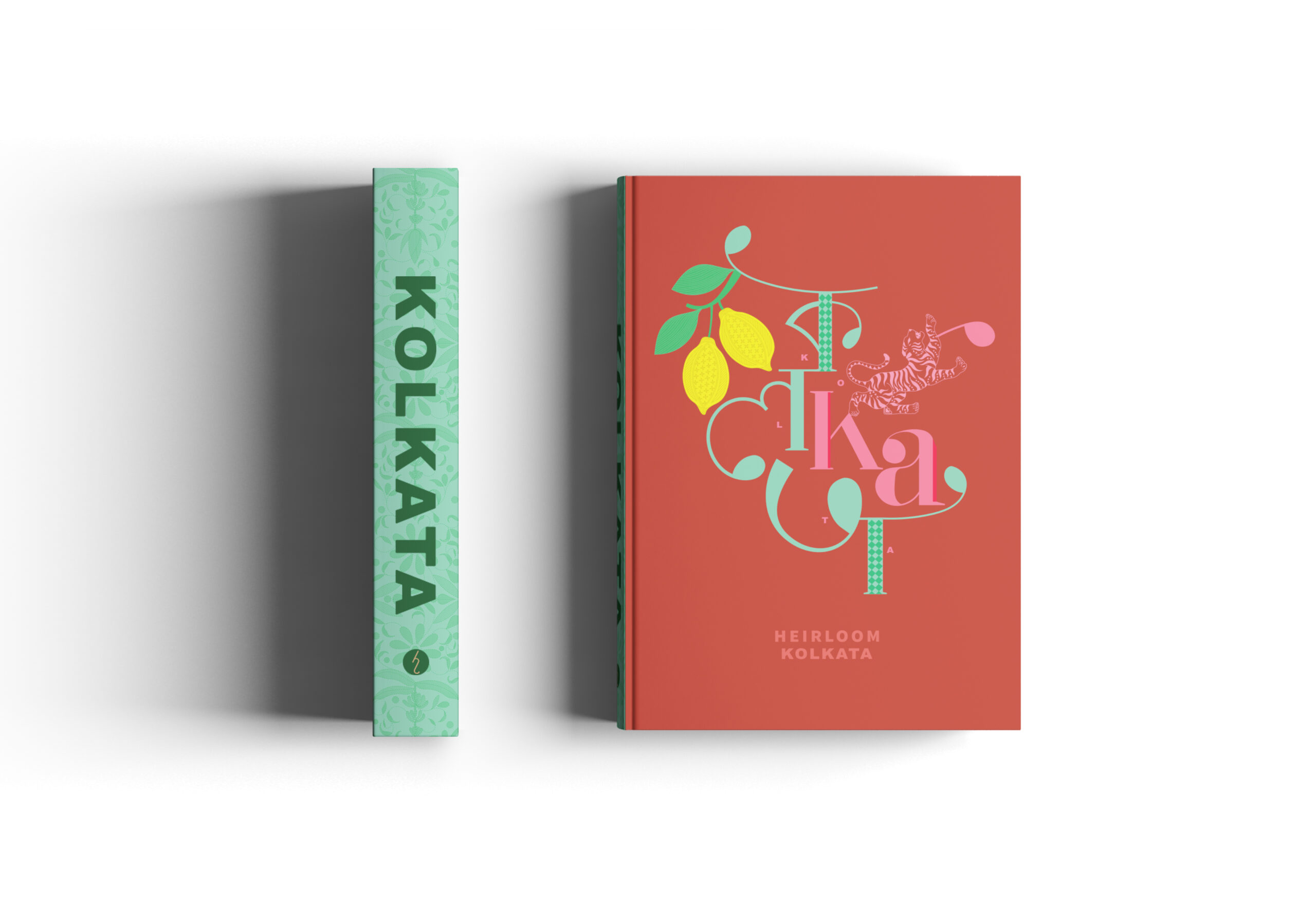
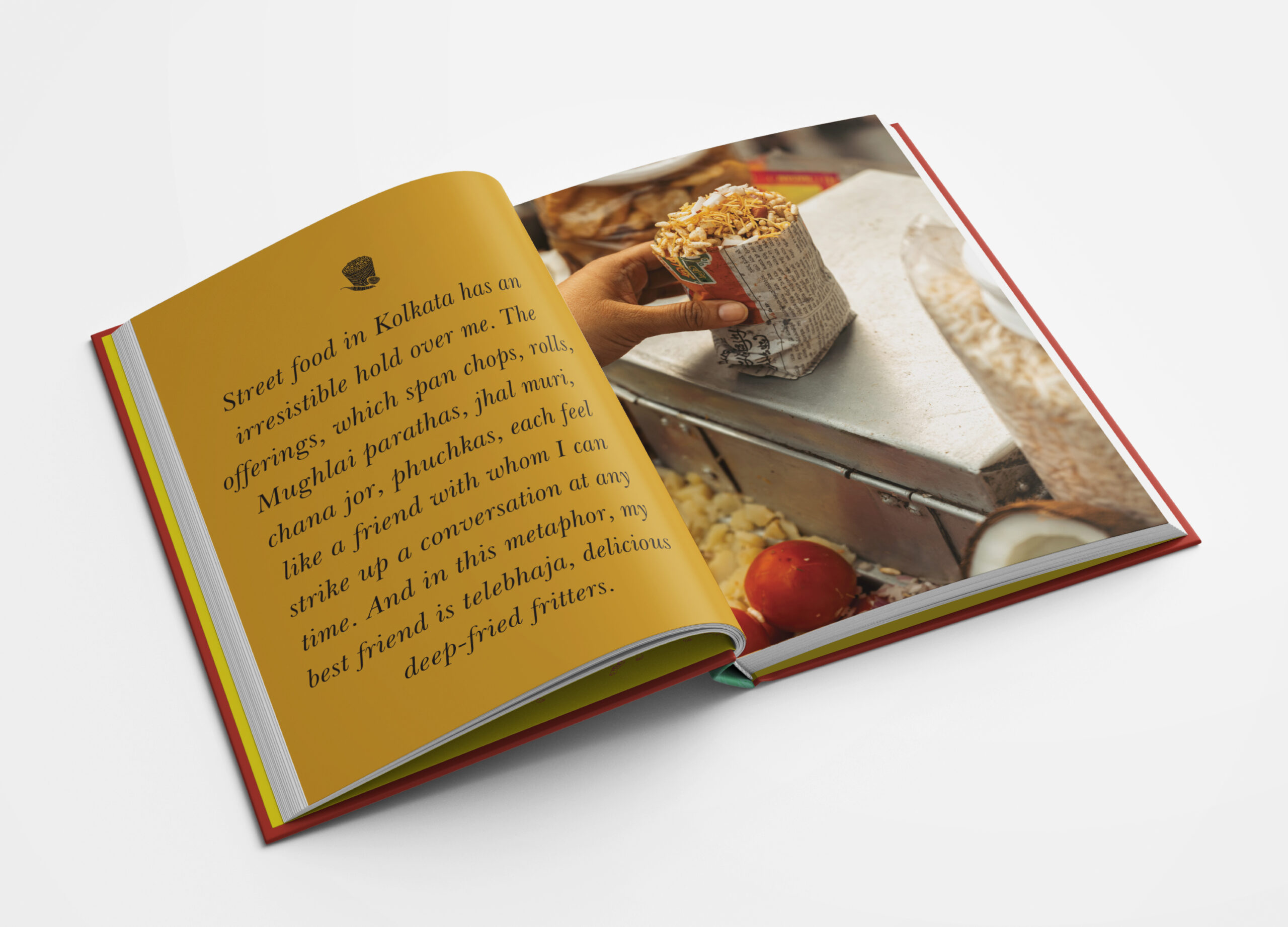
“I started Heirloom Cities to move beyond the familiar narratives around food, and to explore its depth and diversity,” explains Bodanapu. “Our first two books reflect Mumbai and Kolkata as they are today: vibrant and evolving, shaped both by legacy and a dynamic, contemporary culinary culture.” The inaugural volume, Mumbai, presents a portrait of the city’s culinary life – from bustling street food stalls to home kitchens. The second title, Kolkata, expands this exploration, tracing how colonial history, migration, and local traditions have shaped one of India’s most distinctive culinary identities. “Kolkata is a fascinating city that remains largely undiscovered by a global audience,” Bodanapu notes. “From its time as the capital of the British Raj and its role as a global trade centre, the city introduced Indian cuisine to new ingredients. With this book, we take readers through its vibrant markets and history, introducing lesser-known dishes like mutton pantheras and deem torka.”
The journey to founding Heirloom Cities was deeply personal for Bodanapu, who left a career in tech at Facebook to study baking in Paris. “Living far from home, food grew to become my strongest connection to my culture,” she reflects. “I recognised a gap in how Asian food cultures are represented globally. In a landscape of cookbooks that remain largely Eurocentric, I felt a strong need to create a more sensorial experience around food, culture, and communities.” Looking ahead, the publishing house has ambitious plans. “I’m excited to build out the Heirloom ‘universe’ over the next 3–5 years,” Bodanapu shares. “With upcoming titles on Dubai and Sri Lanka, we’re continuing to identify cities with complex food legacies, bringing their stories to a global audience. My goal is to also introduce city-specific collectables that invite readers into the art, textiles, and design of each place.
Beyond their focus on cuisine, the books also serve as layered explorations of how cities evolve, offering readers a deeper understanding of urban histories as living, breathing narratives. Cities like Mumbai and Kolkata are not static entities; they are shaped by waves of migration, trade, colonisation, and cultural exchange, all of which leave lasting imprints on their streets and, crucially, their food. Through detailed storytelling and visual documentation, Heirloom Cities illustrates how these historical currents manifest in everyday life. Recipes become archives, preserving traces of movement and memory, while markets and neighbourhoods emerge as sites where history is continuously negotiated and reinterpreted.
The books highlight the myriad histories of culinary traditions to act as a bridge between generations in an effort to carry forward stories that can otherwise fade. In this sense, they go beyond conventional food writing to function as cultural documents to map the transformation of cities through personal and sensory experiences. By pairing historical context with familial narratives, the series underscores that food can reveal hidden histories of resilience, adaptation and identity. The approach enriches the reader’s understanding of each city as well as it position the books as an important contribution to the broader discourse on urban history and visual storytelling through design and print.