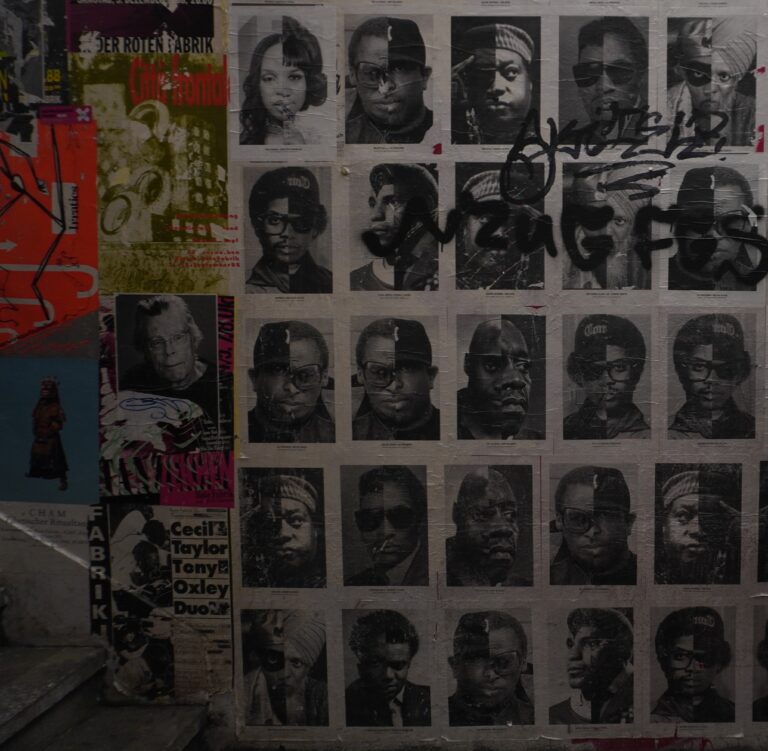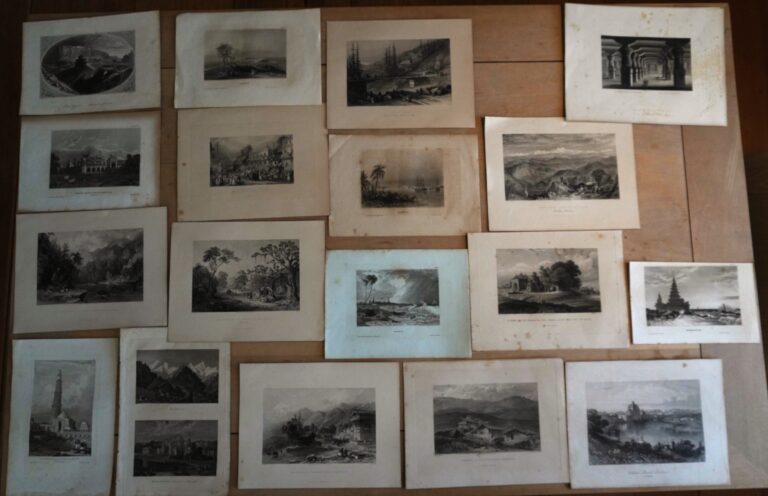


My third week in Switzerland began with another trip to Zurich to listen to a talk on archives, memory and the role of artistic research in the context of the exhibition “A Kind of Paradise— Colonial-Era Photography in Contemporary Art” at Museum Rietberg. The talk was being held in a cool, almost subterranean space, inside the basement of the museum. As I walked down the staircase, I felt a strange mood settling over me.
The works featured in the group exhibition were connected by the thread of global histories of colonial exploitation. I watched the Black and Brown bodies displayed within the white cube, equally moved by the artists’ renditions and interventions, as well as appalled at the pain and cruelty of the enslaved and oppressed, whose inadvertent consumer, I too, had become, simply through the act of looking.
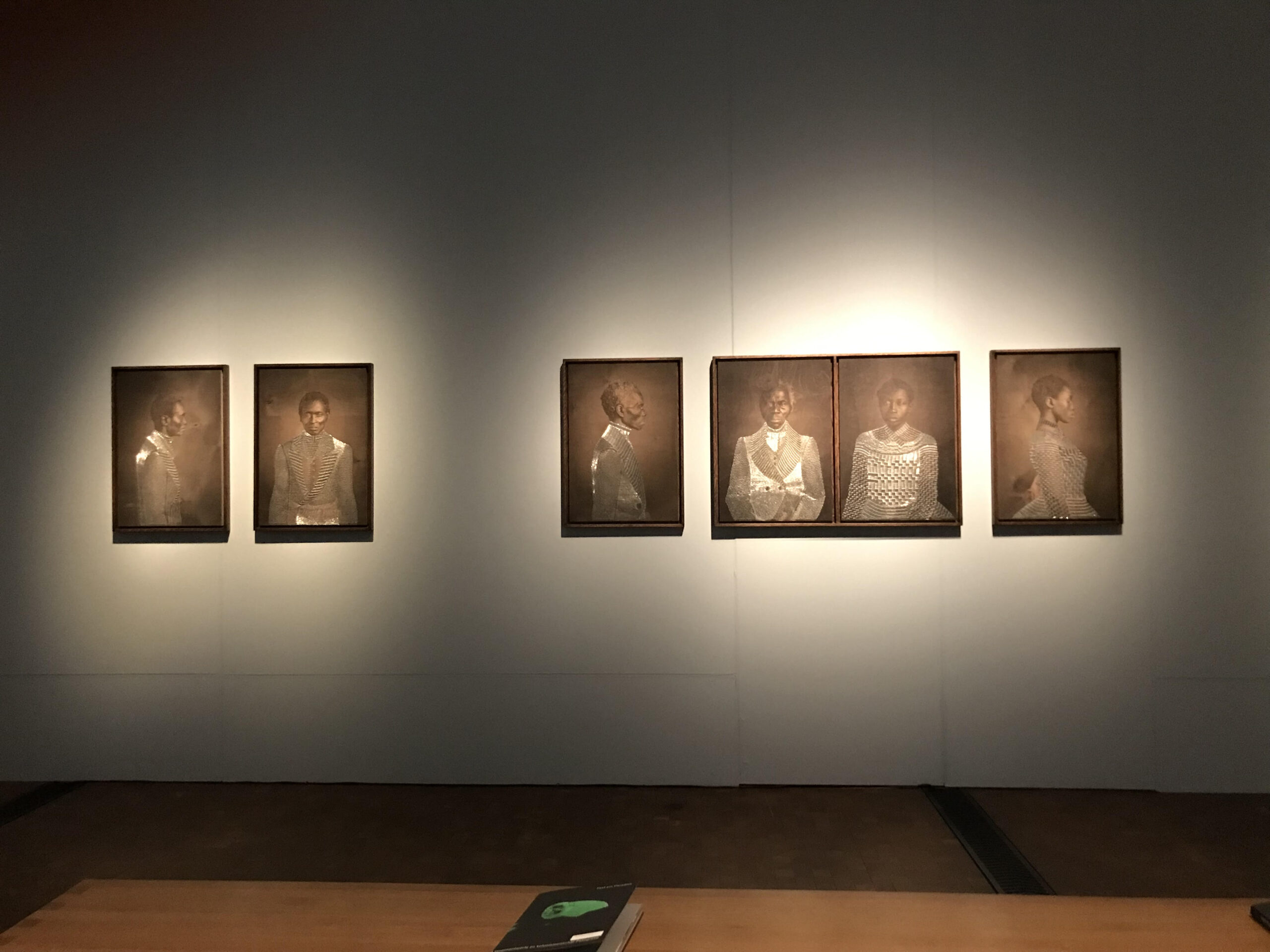
Installation view of Sasha Huber’s work, featuring stapled photographs of enslaved individuals commissioned by Swiss-American naturalist Louis Agassiz
In the work of Sammy Baloji, I found resonance between the exploitative mining history of the Democratic Republic of the Congo and the fate of my own hometown, Dhanbad, where the spectre of exploitative forces continues to haunt the everyday lives of labouring bodies.
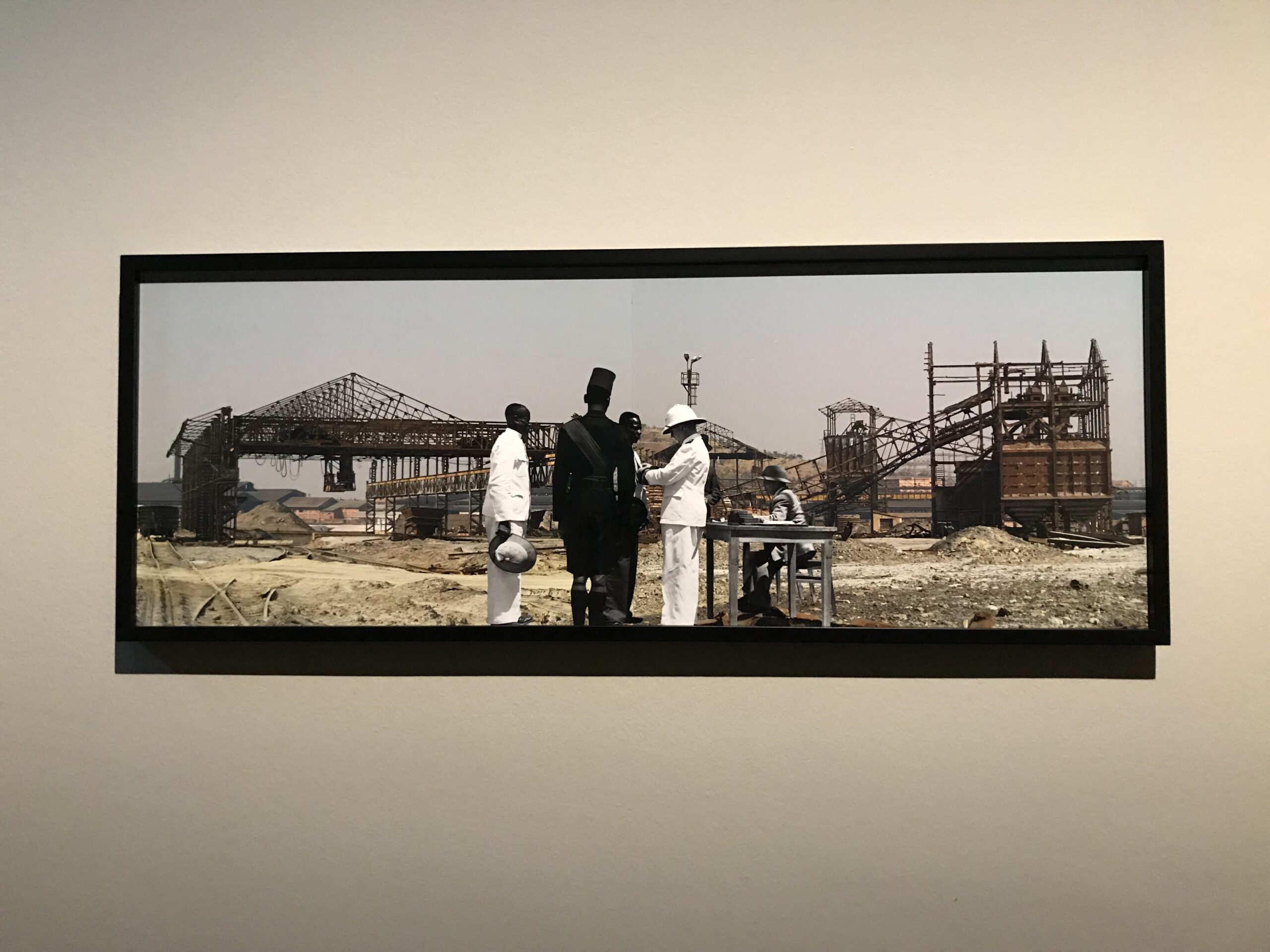
From the Memoire series by Sammy Baloji, merging archival photographs from Union Minière du Haut-Katanga and present-day images of abandoned mining structures
I realised that this exhibition will continue to weigh on my mind, as I continue my research work, investigating postcolonial narratives, and building methodologies for critical writing that question the role of photography and art in the age of extractive capitalism.
Finally, the highlight of my third week in Switzerland was the Art in Conflict- Discussion series by Artas Foundation, where I was invited by my research coach to artistically document the event. The roundtable conversation format brought together artists, researchers, dancers, social workers, people from various backgrounds and practitioners of various disciplines. As I listened to the speakers and their practice, exploring the possibilities of space in peace-building, I found myself searching for the ways language shapes our relationship with space. The evening inspired a poem, and after having spent the last few years solely dedicated to non-fiction, this was a welcome change.
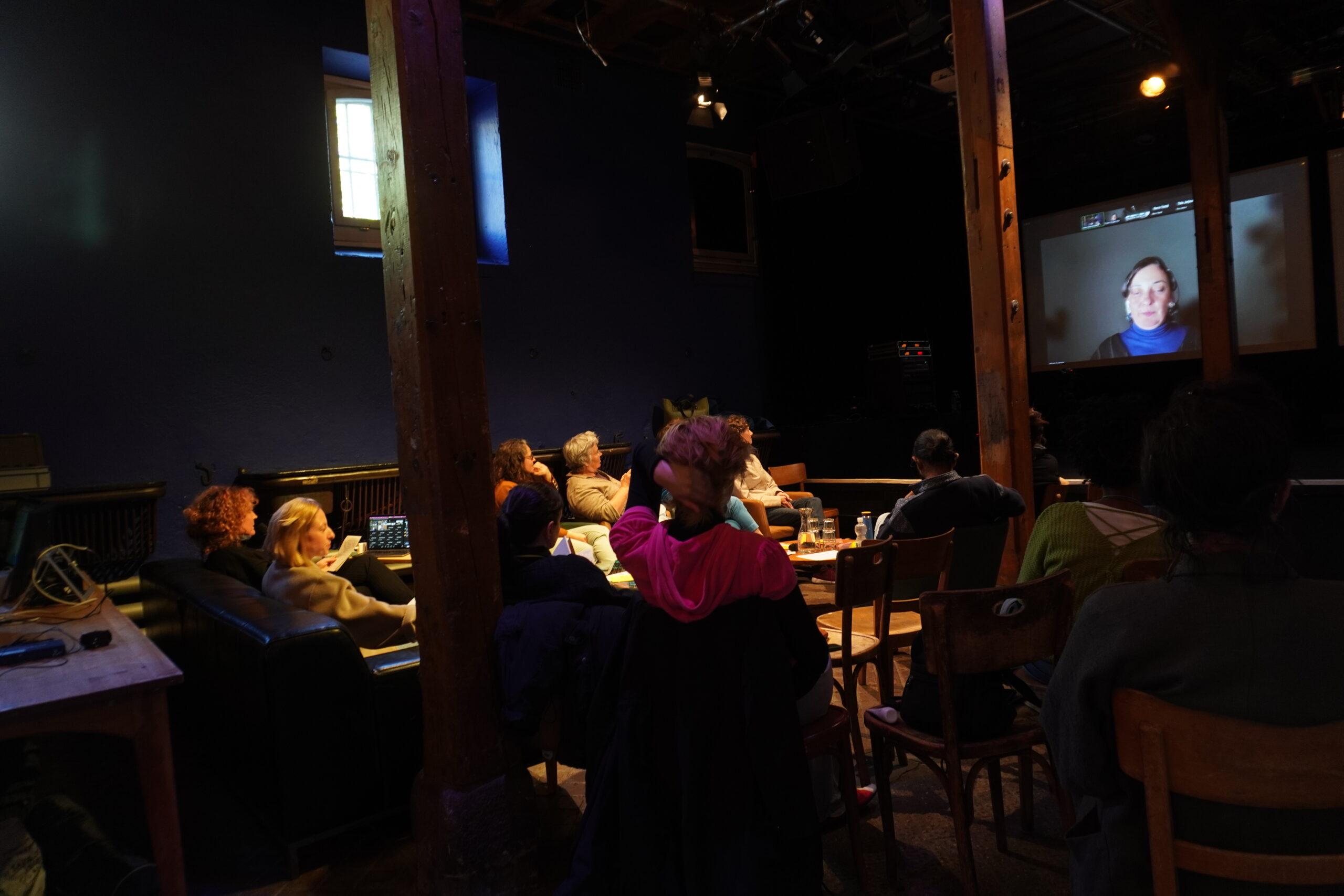
Art in Conflict- Discussion series by Artas Foundation
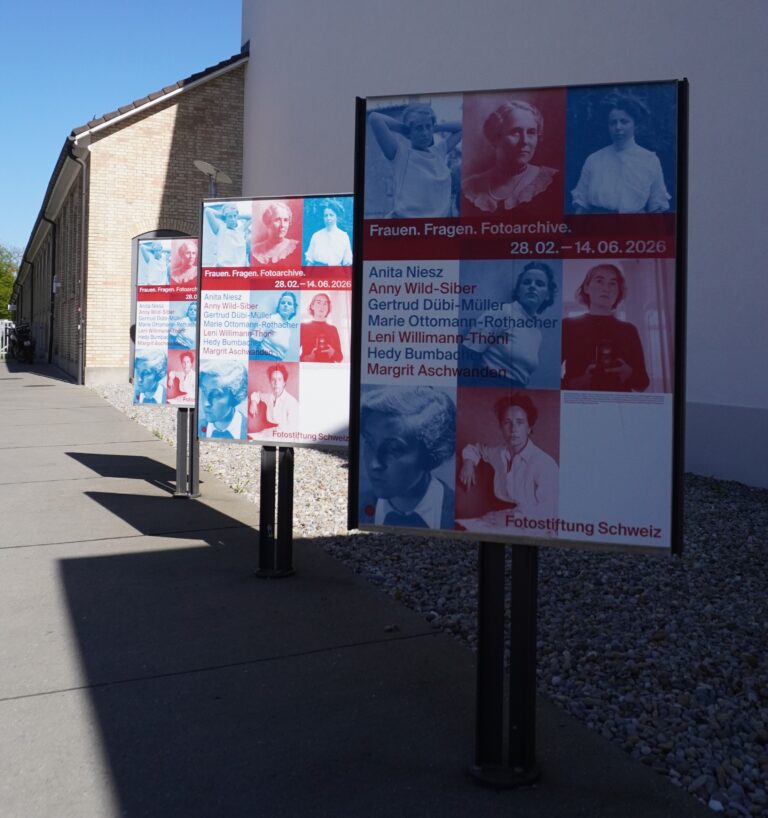
From colonial historical past to modern conflict regions, this week was spent ruminating on global crises and critical and creative responses to the world around us. The week ended with a visit to an exhibition dedicated to Swiss women photographers that posed some very relevant questions regarding the privileges and barriers that shape the lives of women who choose to express artistically, a circumstance that I am all too aware of in my own life as well.
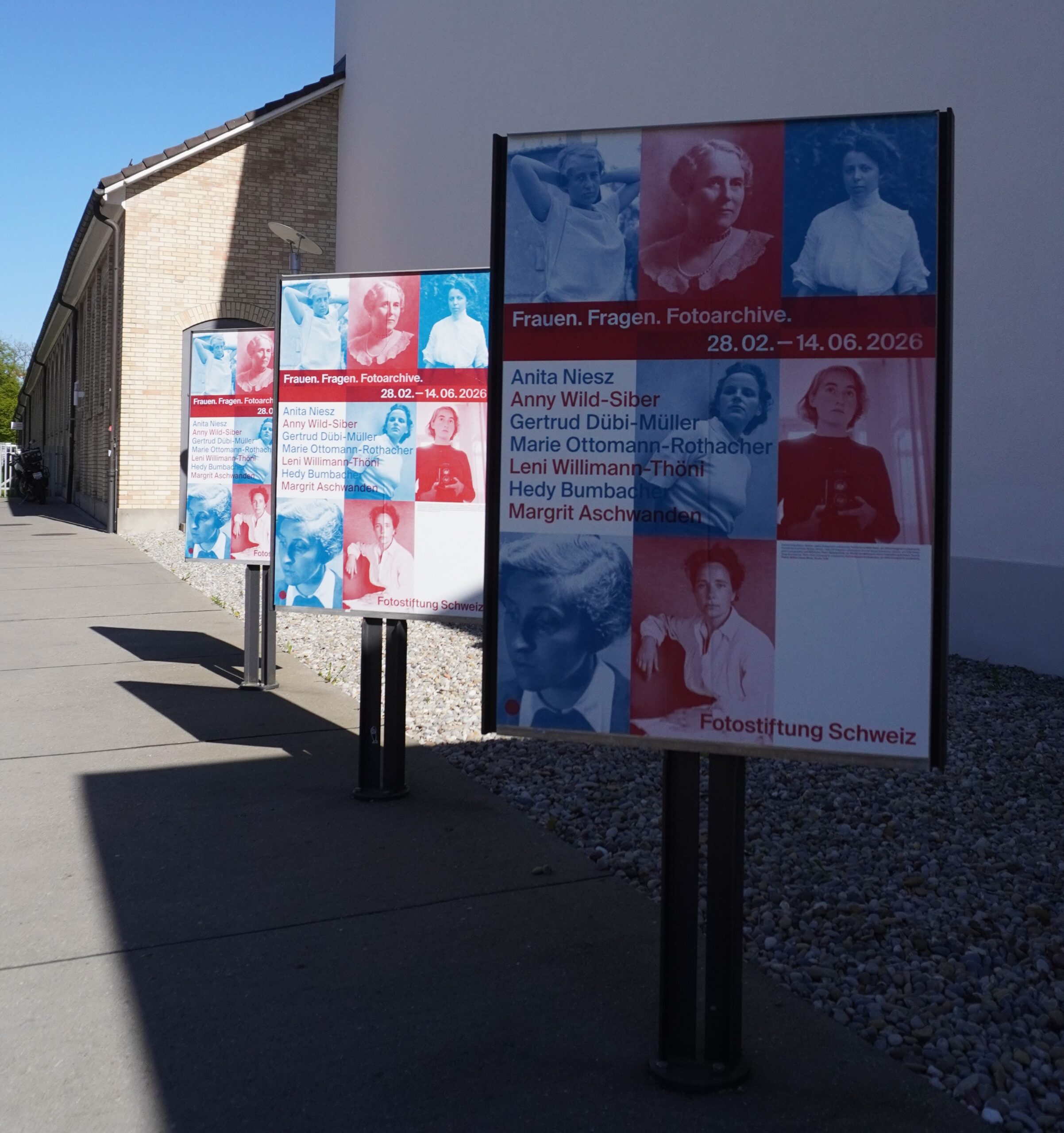
At the entrance of Fotostiftung Schweiz
I am signing off this dispatch with a mind brimming with new ideas and a heart still missing home, but finally more in sync with the Swiss terrain.