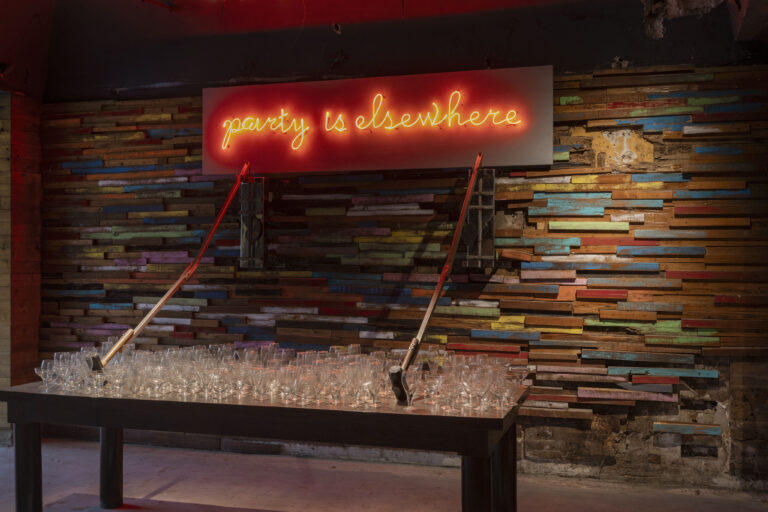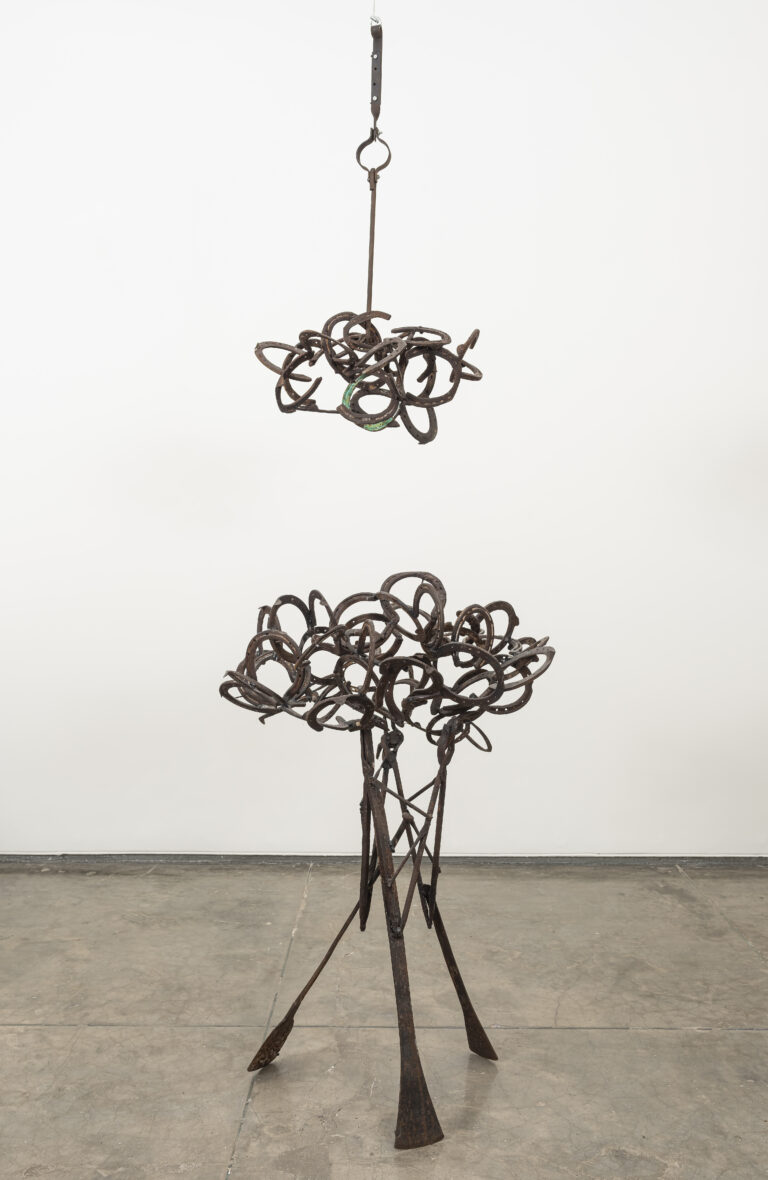


In an era when the climate crisis is no longer an abstract future but a daily condition of life, the question confronting contemporary art is not simply what it represents, but how it thinks. How does art hold contradiction, vulnerability, and survival at once? How does it remain porous to history while alert to planetary urgency? Amphibian Aesthetics, the inaugural exhibition at Ishara House in Kochi, enters this question not as metaphor alone, but as method.
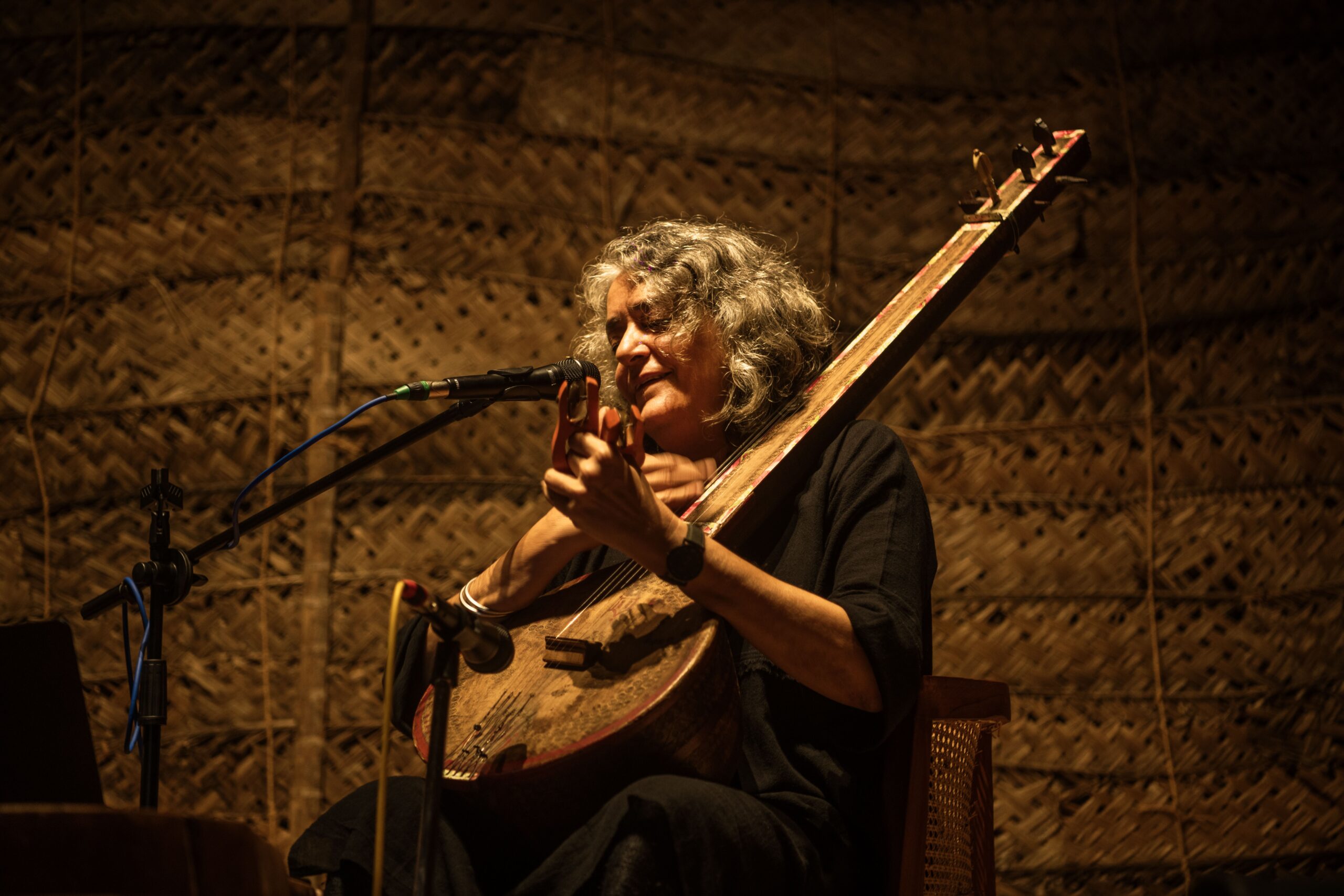
As the exhibition unfolds from 13 December 2025 to 31 March 2026 within Kashi Hallegua House, a more than 200-year-old structure in Mattancherry’s historic Jewish quarter, the structure comes alive with context. This location is not incidental. Kochi, shaped by centuries of maritime exchange, migration, refuge, and trade, has long existed between land and sea, home and elsewhere, memory and reinvention. The city’s layered histories offer a lived language for the exhibition’s central proposition, that to survive our current moment of precarity, we may need to relearn how to live amphibiously.
To be amphibious is to inhabit more than one element at once. Biologically, it is a state of adaptation and vulnerability. Culturally, it gestures toward lives shaped by migration, exile, translation, and negotiation. In Amphibian Aesthetics, the term becomes a way of thinking beyond binaries of land and water, past and present, human and non-human, tradition and contemporaneity ~ toward entangled modes of existence. The exhibition suggests that such entanglement is not an anomaly of the present, but its defining condition.
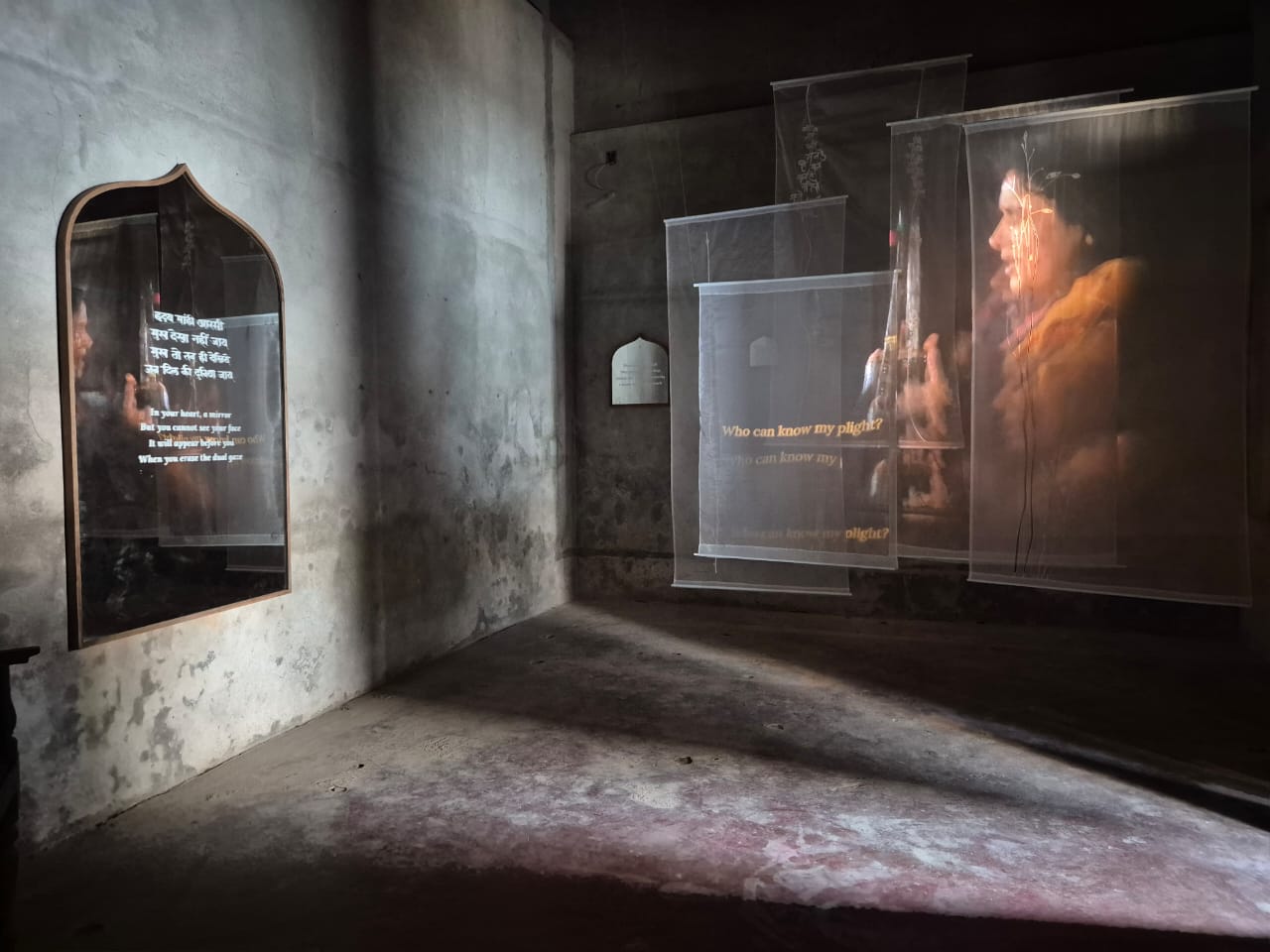
The artists curated for this exhibition are twelve practitioners and collectives from India, Italy, Palestine, and the UAE who do not offer a singular narrative of crisis. Instead, they work across materials, media, and temporalities to explore how histories of movement, maritime exchange, and ecological transformation continue to shape power, memory, and resistance. New commissions trace the sea not merely as geography, but as an archive: a carrier of labour, belief systems, commodities, and conflicts. In this sense, the exhibition resists the spectacle of catastrophe and instead asks viewers to attend to slower, often invisible processes such as erosion, seepage, sedimentation, processes that define both ecological change and cultural memory.
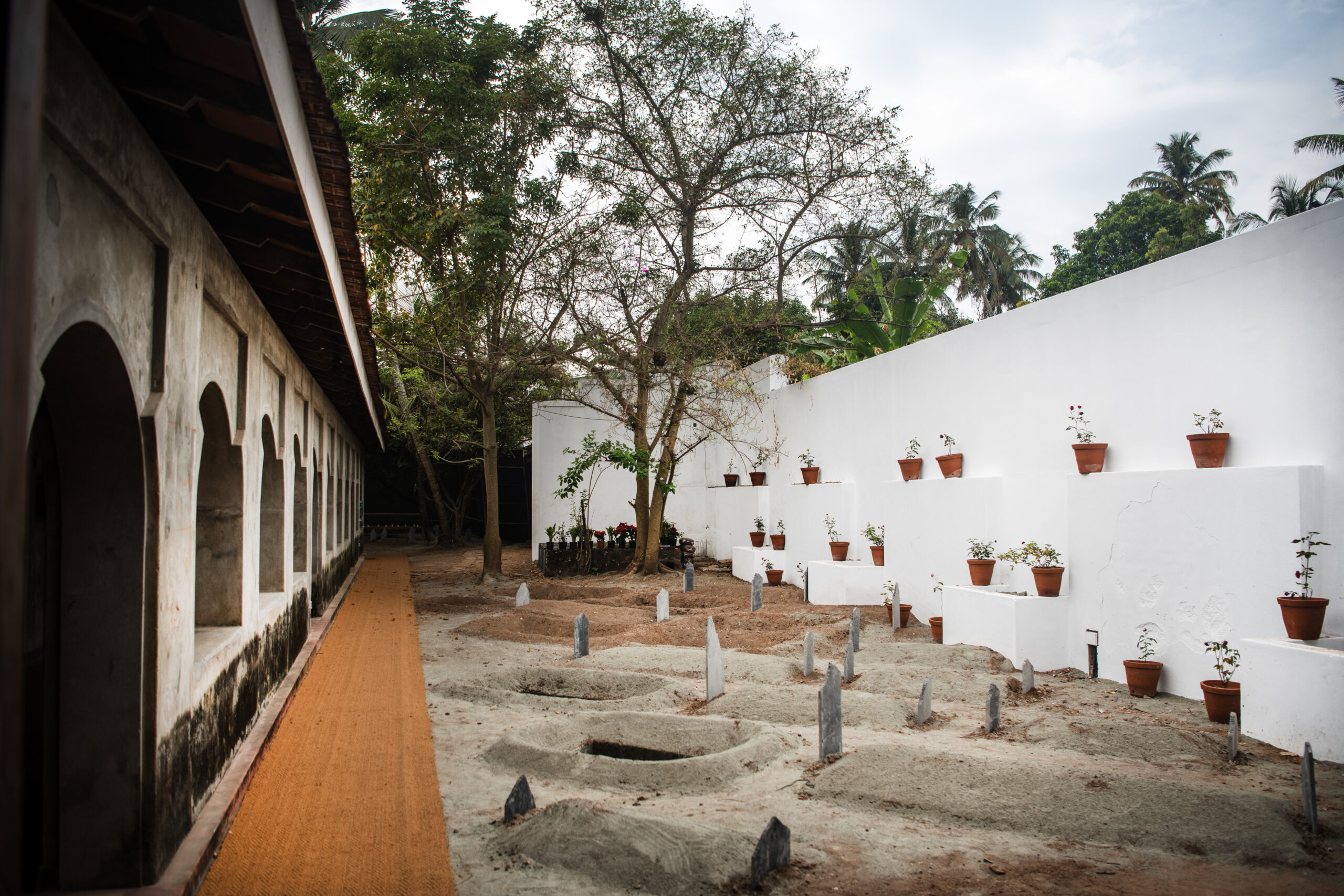
Central to Amphibian Aesthetics is the research-driven work of Aazhi Archives, whose long-term engagement with Kerala’s coastal histories, maritime cultures, and ecological knowledge informs both the exhibition’s conceptual framework and the selection of artistic practices. Aazhi operates not simply as a repository of materials, but as a living archive shaped through fieldwork, oral histories, visual documentation, and sustained relationships with communities along the Indian Ocean littoral.
In Amphibian Aesthetics, this archival inquiry is translated into contemporary artistic and curatorial forms, allowing histories of migration, trade, and environmental change to circulate through exhibitions, conversations, and public programmes. By foregrounding sensory registers such as sound, gesture, storytelling, and memory, the archive becomes a lived process rather than a closed repository. The exhibition thus demonstrates how research-based archives can move beyond preservation into participatory forms of knowledge exchange, fostering new imaginaries around ecology, migration, and belonging.
Kashi Hallegua House itself becomes an active participant in this inquiry. Once home to a prominent Jewish family, the building stands as a testament to Kerala’s long-standing reputation as a place of relative refuge, particularly for communities fleeing persecution. Its courtyards, wells, back gardens, and intimate rooms resist the neutral white cube, insisting instead on proximity to history, to domestic space, and to lived experience. Works are encountered not as isolated objects but as presences within a dwelling that has absorbed centuries of human passage and events.
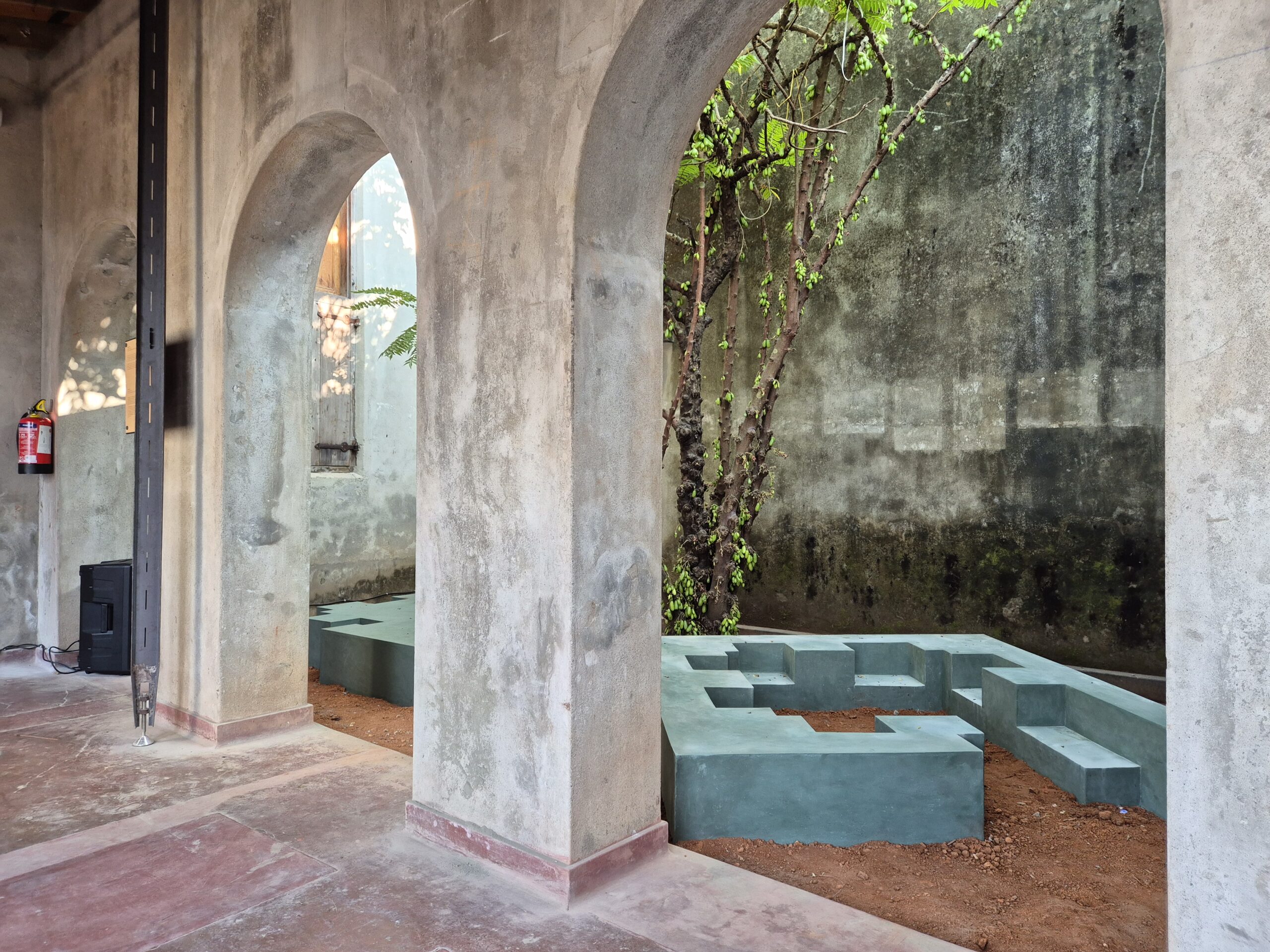
This domestic scale sharpens the exhibition’s engagement with precarity. Rather than monumental gestures, many works operate through intimacy of sound, gesture, repetition, and fragile materials, thus mirroring how ecological and political instability often enter our lives quietly, through the everyday. In doing so, Amphibian Aesthetics aligns with a growing global artistic impulse that shifts attention from grand narratives of progress or apocalypse toward questions of collaborative survival: how different species, communities, and knowledge systems coexist amid disturbance.
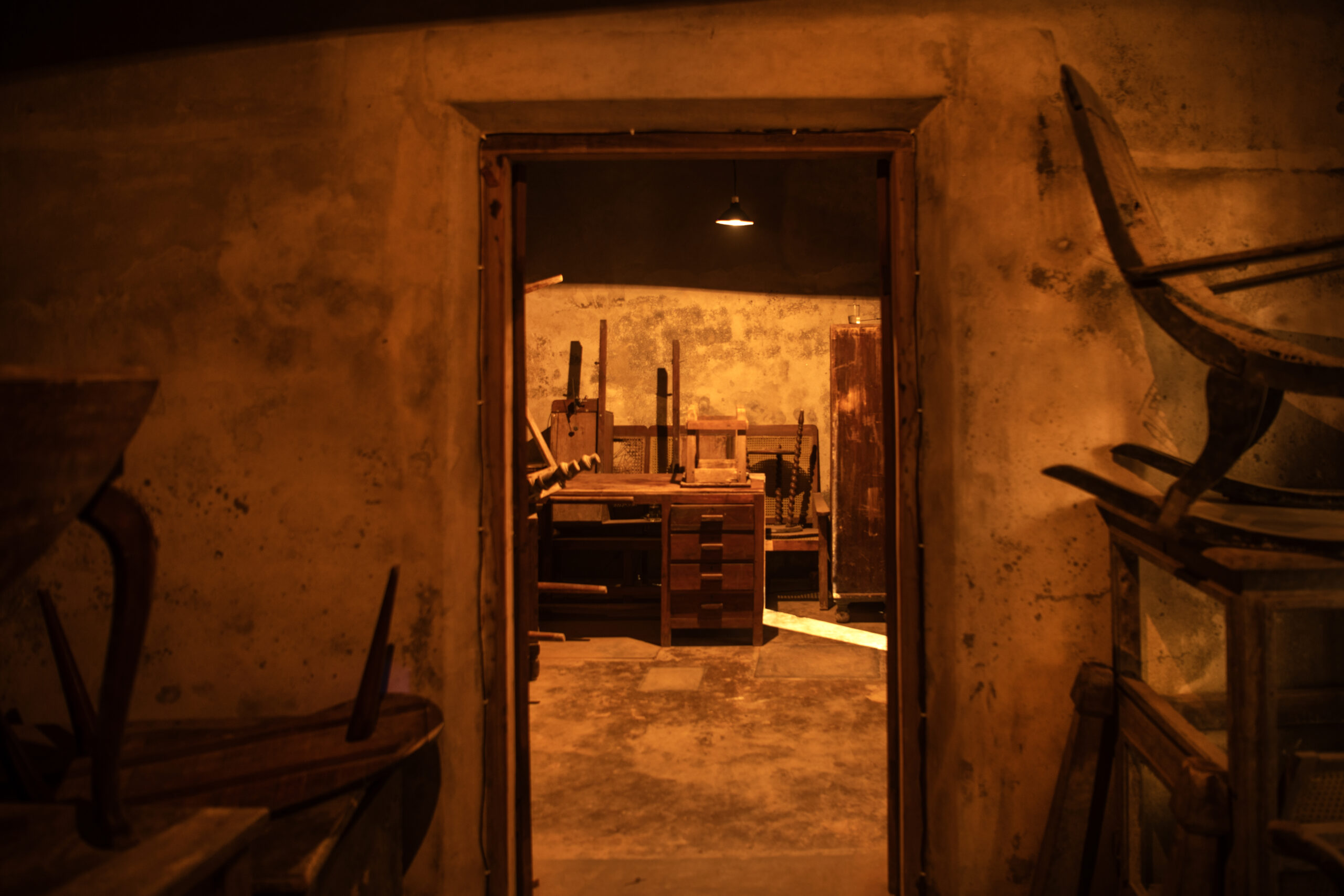
The exhibition also extends beyond its primary site through a parallel programme of talks, performances, and discussions at URU Art Harbour, another key cultural node in Mattancherry. This dispersal matters. It situates the exhibition within a living ecosystem of artistic and intellectual exchange rather than confining it to a singular institutional frame. Kochi’s cultural infrastructure has undergone significant changes over the last decade, largely driven by initiatives like the Kochi-Muziris Biennale, which has increasingly foregrounded dialogue between local histories and global conversations. Amphibian Aesthetics contributes to this trajectory while also subtly questioning the fatigue of large-scale art events, proposing a research-driven, community-embedded model of engagement.
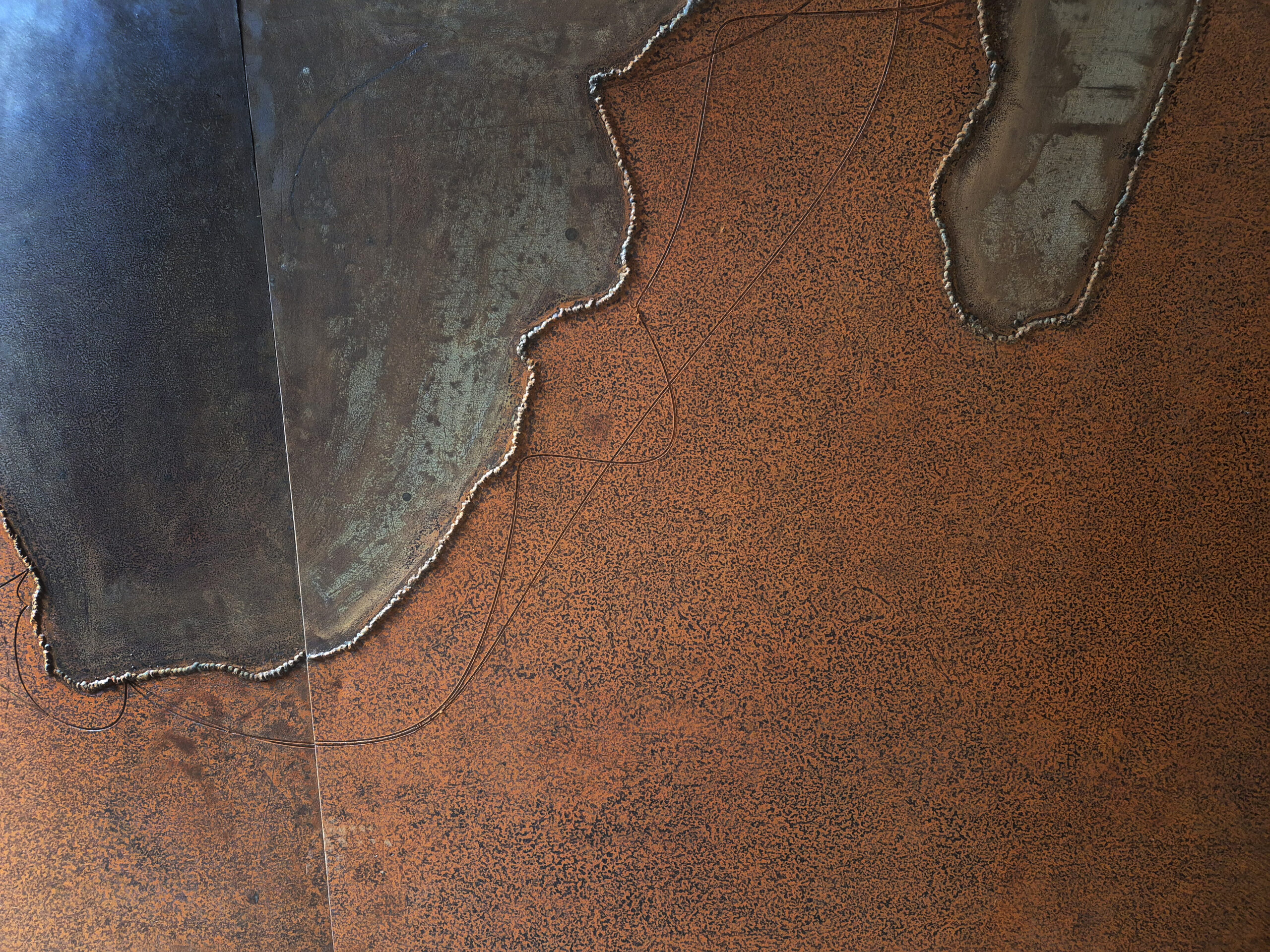
Under the artistic direction of Riyas Komu and emerging from the long-term inquiries of Aazhi Archives, the exhibition insists on the inseparability of art, knowledge, and people. Academic research and contemporary practice are not treated as parallel tracks but as intertwined processes. This approach reflects a broader shift within South Asian art contexts, where artists and curators are increasingly resisting rigid institutional formats in favour of hybrid, porous platforms that allow for uncertainty, conversation, and the unknown.
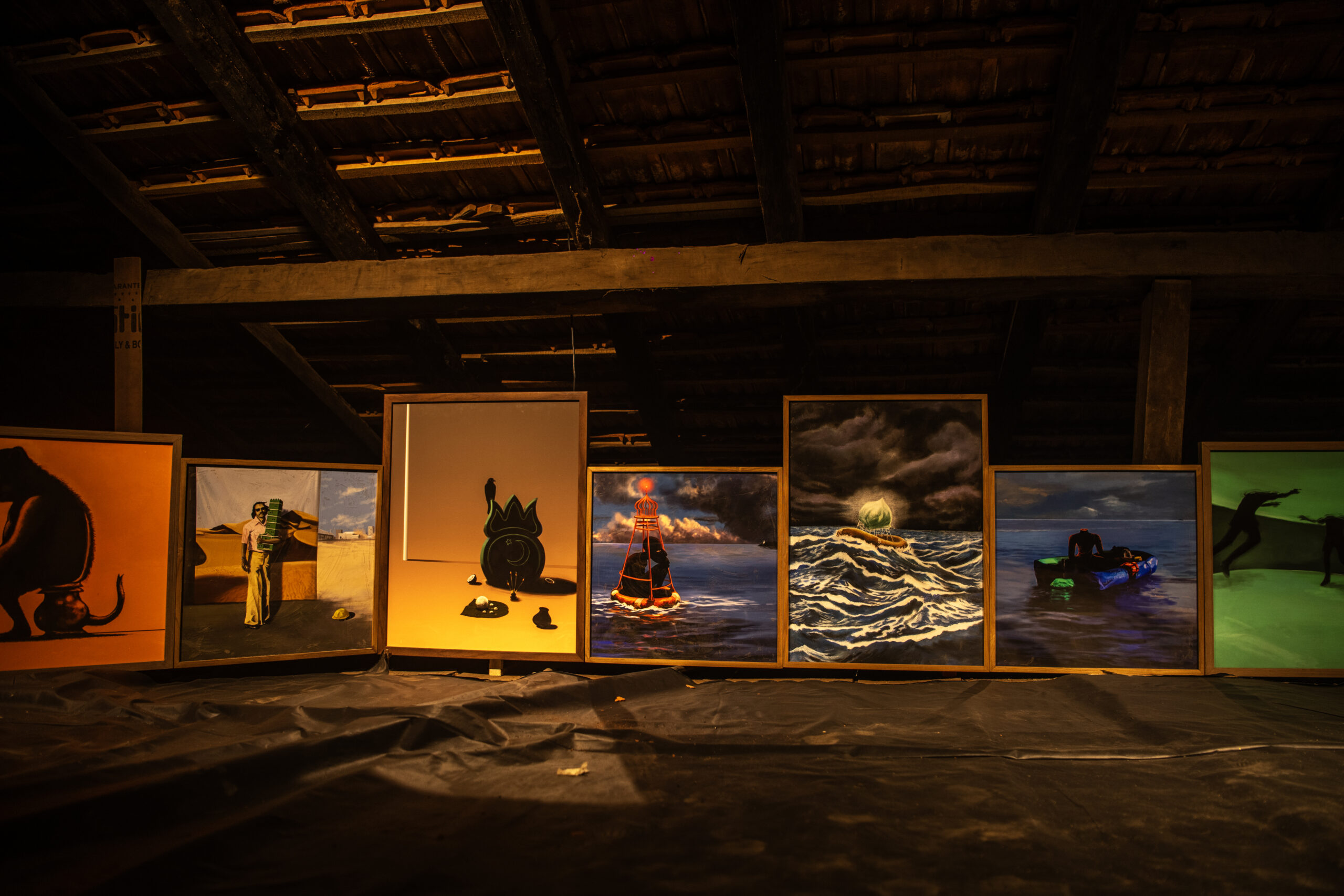
Importantly, Amphibian Aesthetics does not position itself as a solution-driven project. It does not claim to resolve ecological crises or historical injustice. Instead, it asks what kinds of sensibilities and responsibilities art can cultivate in an age defined by instability. By foregrounding amphibious modes of thinking, the exhibition gestures toward ethics of attentiveness: to water and land, to human and non-human life, to histories that refuse to stay buried.
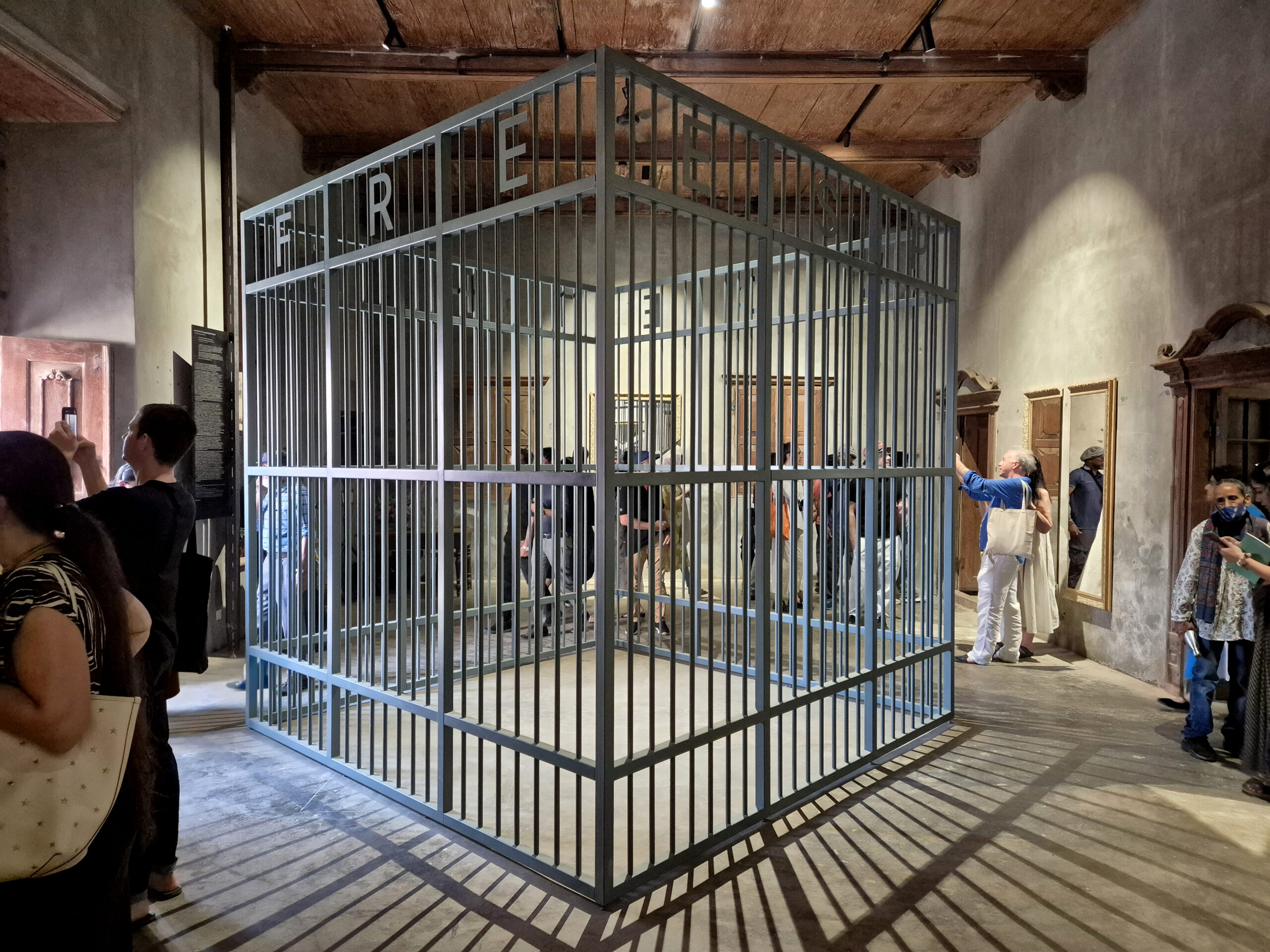
In Kochi, where tides quite literally shape daily rhythms, this attentiveness feels especially resonant. The exhibition invites viewers to slow down, to listen, and to recognise themselves as part of a larger, fragile weave. In doing so, Amphibian Aesthetics positions art not as an escape from precarity, but as a way of staying with it thoughtfully, critically, and collectively.
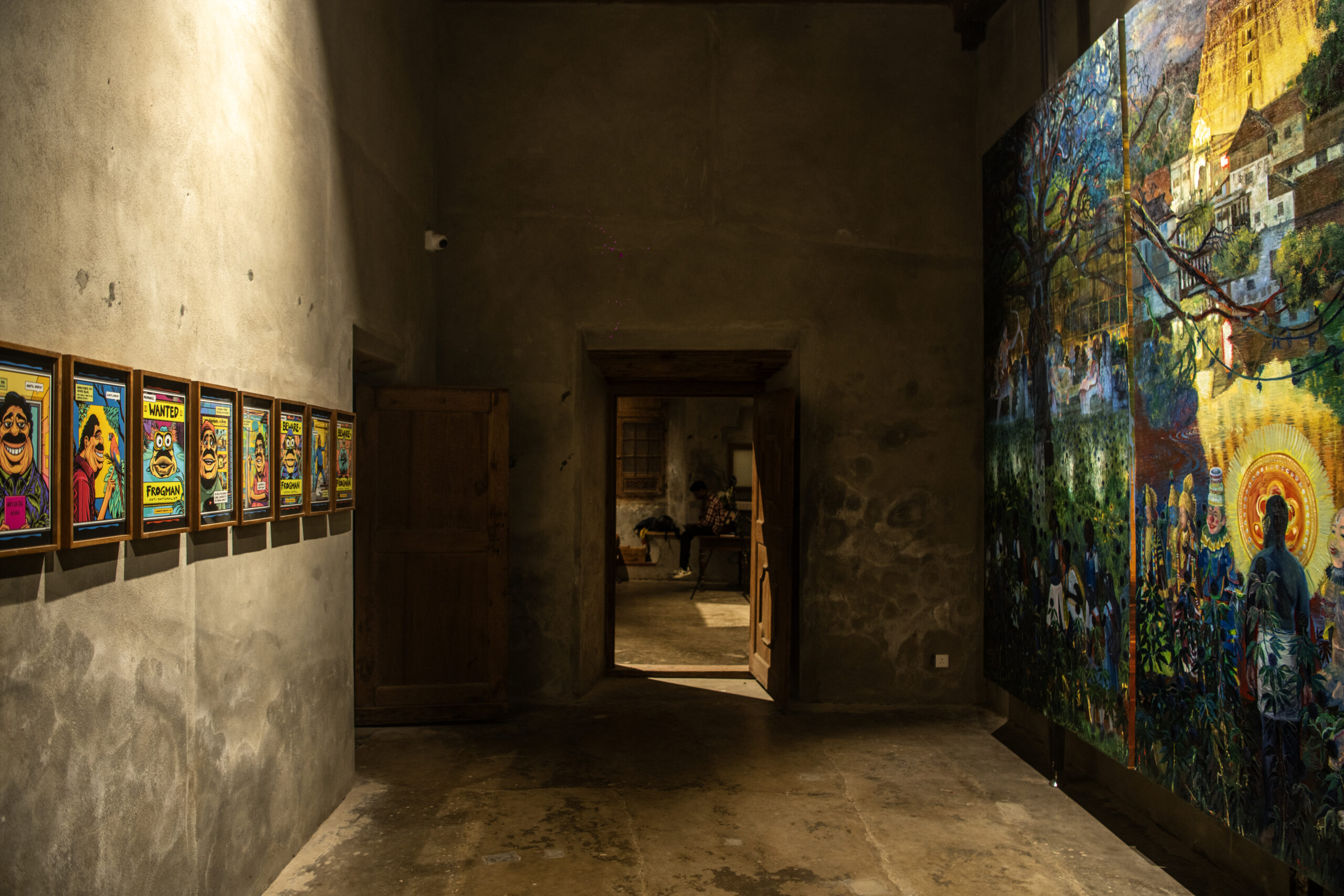
Amphibian Aesthetics, led by Riyas Komu as Artistic Director, runs from 13 December 2025 to 31st March 2026 at Kashi Hallegua House, Kochi and is presented by Ishara Art Foundation.
Ishara House is supported by Alserkal Avenue in association with Galleria Continua, with Aazhi Archives and URU Art Harbour as project partners.